Picture this: you’re halfway through a weekend project, wrench in hand, when a bolt refuses to budge. You crank harder, and suddenly the head rounds off completely. Now you’re staring at a stripped bolt with no grip left. Frustrating, right? The good news is a bolt extractor bit can save the day.
This handy little tool bites into damaged fasteners and backs them out, even when a regular socket set gives up. In this guide, you’ll learn exactly how to use a bolt extractor bit, what you’ll need, and how to use it step by step. You’ll also pick up expert tips and answers to common questions. By the end, that seized bolt won’t stand a chance.
What Is a Bolt Extractor Bit?
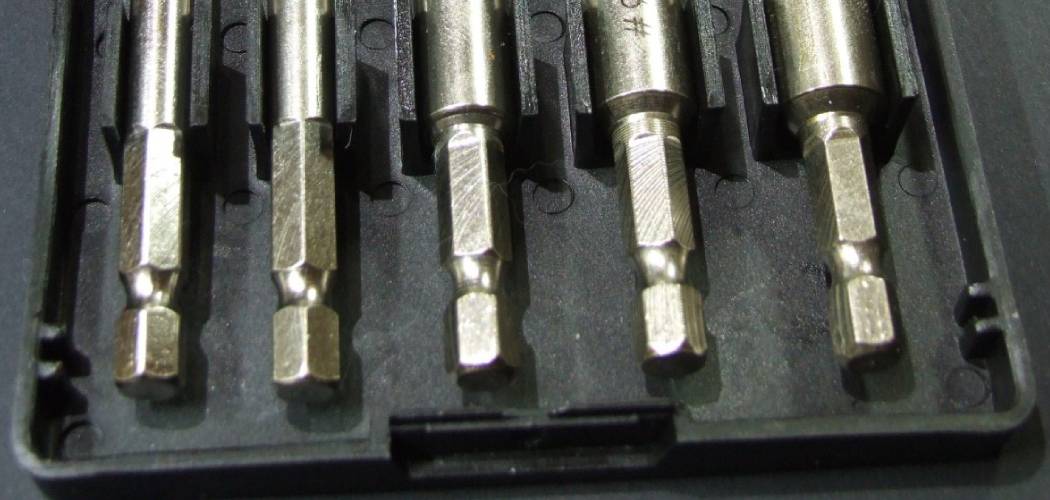
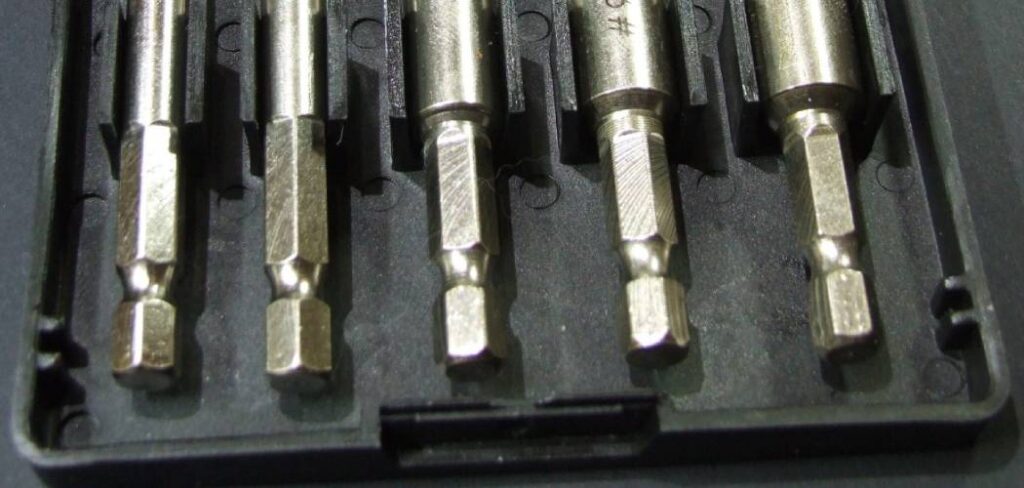
A bolt extractor bit is a small tool designed to remove stripped, rounded, or broken bolts and screws. Most have reverse-cutting spirals or gripping teeth that dig into a damaged fastener as you turn counterclockwise. Some models work like a reverse drill bit, while others double as a screw extractor for smaller jobs. In short, when a bolt head is too chewed up for normal tools, this bit grabs what’s left and twists it free.
What You’ll Need
Before you start, gather these tools and supplies. Having everything ready makes the job faster and less stressful.
- A bolt extractor bit or a full extractor set (matched to your bolt size)
- A power drill or impact driver
- A left-hand drill bit (for drilling into broken bolts)
- Penetrating oil (like PB Blaster or WD-40 Specialist)
- Safety glasses and work gloves
- A center punch and hammer
- A socket set or wrench for turning the extractor
- A tap handle or vise grips (optional, for extra leverage)
- A shop rag and a small brush for cleanup
Step-by-Step Guide on How to Use a Bolt Extractor Bit
Follow these steps in order. Take your time, and don’t rush the prep work. A little patience here saves you big headaches later.
Step 1: Assess the Damage First
Start by looking closely at the bolt. Is the head rounded, stripped, or snapped off flush with the surface? The condition decides which tool you’ll grab. A rounded bolt head often works with a socket-style extractor. A bolt broken below the surface needs a drill-out method. Knowing what you’re dealing with helps you pick the right bolt extractor bit and skip wasted effort. Don’t guess here. A quick, careful look now prevents you from making the damage worse.
Step 2: Apply Penetrating Oil and Wait
Spray penetrating oil generously around the base of the fastener. This loosens rust and grime that lock a seized bolt in place. Give it time to soak in—at least 15 minutes, though an hour is better for stubborn cases. For really tough bolts, reapply and tap the head lightly with a hammer. That vibration helps the oil creep into the threads. Skipping this step is the most common mistake beginners make. Patience with oil often does half the work for you.
Step 3: Create a Starter Divot with a Center Punch
If your bolt is snapped off or you need to drill into it, mark the exact center first. Place your center punch on the middle of the bolt and give it a firm tap with a hammer. This creates a small dimple that keeps your drill bit from wandering. A centered hole is critical for clean broken bolt removal. Drill off-center, and you risk damaging the surrounding threads. Take a moment to eyeball the center carefully before you punch.
Step 4: Drill a Pilot Hole
Fit a left-hand drill bit into your drill and set it to reverse. Start slow and steady, drilling straight into your punch mark. The beauty of a left-hand drill bit is that it sometimes grabs and backs the bolt out on its own. If not, you’re creating a pilot hole for the extractor. Keep the bit perpendicular to the bolt and apply firm, even pressure. Use a smaller pilot hole than the bolt itself. Going too big weakens your grip and can ruin the extraction.
Step 5: Insert the Bolt Extractor Bit
Now place the extractor into the pilot hole or over the rounded head. Push it in firmly so the cutting edges make contact. For spiral-style bits, the tapered end seats into the hole you drilled. For socket-style bits, tap the extractor over the damaged fastener until it’s snug. A solid, tight fit is everything here. If it feels loose, back out and reseat it. A wobbly extractor will slip and strip the metal even more.
Step 6: Turn Counterclockwise Slowly
Attach your drill, tap handle, or socket set to the extractor. Turn it counterclockwise—that’s the direction that loosens the bolt. Go slow and apply steady torque. As you turn, the extractor’s reverse threads bite deeper into the fastener. That biting action is what grips and backs out the bolt. Don’t jerk or force it. Sudden pressure can snap the extractor inside the bolt, which turns a simple job into a nightmare. Smooth, controlled turns win every time.
Step 7: Add Leverage if Needed
Sometimes a bolt fights back. If it won’t move, add more leverage with a breaker bar or a longer wrench. You can also tap the extractor handle gently while applying turning force. Reapply penetrating oil if the bolt still resists, then wait a few minutes. Heat can help too—a little from a heat gun expands the metal and breaks the rust bond. Just keep flames away from anything flammable. Steady leverage beats brute force nearly always.
Step 8: Remove the Bolt and Clean Up
Once the bolt starts turning, keep going until it’s fully out. Back it out slowly so it doesn’t bind again halfway. Wipe away oil, metal shavings, and debris with your shop rag. Inspect the threads in the hole for any damage. If the threads look rough, run a thread chaser or tap through to clean them up. Clean threads mean your new bolt will seat properly. This final step is easy to skip, but it protects your repair.
Step 9: Inspect and Test the Threads
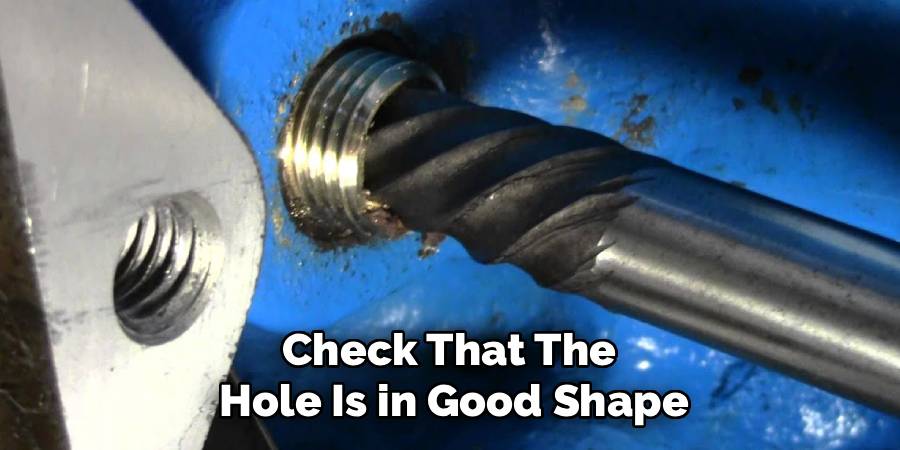
Before installing a new fastener, check that the hole is in good shape. Thread a new bolt in by hand first. It should turn smoothly without catching. If it binds, the threads may need more cleaning or repair. Cross-threading a new bolt undoes all your hard work. Take a few seconds to confirm everything fits right. A quick test now saves you from repeating this whole process later.
Tips for Best Results
These insider tips go beyond the basics. They’ll help you tackle even the trickiest jobs with confidence.
- Match the extractor to the bolt size. Using an extractor that’s too big or small leads to slipping. An extractor set gives you options for every fastener, so you’re never stuck reaching for the wrong size.
- Let heat and oil work together. Alternating penetrating oil with gentle heat breaks the rust bond faster than either method alone. This combo is a mechanic’s secret weapon for a truly seized bolt.
- Keep your drill in reverse. When drilling into a broken bolt, always run the drill counterclockwise. The reverse drill bit motion often loosens the bolt before you even reach the extractor step.
- Don’t over-torque the extractor. Extractors are hardened and can snap if you force them. A broken extractor lodged in a bolt is extremely hard to remove, so ease off if it resists.
- Buy quality tools. Cheap extractors dull fast and break easily. A reliable screw extractor and drill bit set pays for itself the first time it saves a stripped bolt.
Frequently Asked Questions
Can I Use a Bolt Extractor Bit With a Regular Drill?
Yes, most extractor bits work fine with a standard power drill. Just make sure your drill has a reverse setting, since you’ll turn counterclockwise. For smaller bolts, a cordless drill offers plenty of control. For large or badly seized bolts, an impact driver or hand tools give you more torque without risking a broken extractor.
What’s the Difference Between a Screw Extractor and a Bolt Extractor?
The two tools work on the same principle but suit different jobs. A screw extractor is smaller and designed for stripped screws and tiny fasteners. A bolt extractor handles larger, tougher bolts and often needs more torque. Many extractor sets include both sizes, so you’re covered for most repairs around the house or garage.
Is It Safe to Use Heat on a Seized Bolt?
Heat can be safe and effective when you’re careful. A heat gun or small torch expands the metal and cracks the rust holding a seized bolt. Always keep heat away from fuel lines, plastic, rubber, and anything flammable. Let the area cool before touching it, and wear gloves and safety glasses throughout the process.
What Do I Do if the Extractor Breaks Inside the Bolt?
A broken extractor is tricky because it’s harder than the bolt itself. You can try a specialized carbide bit or an extractor removal tool to grind it out. For valuable parts, take it to a machine shop with EDM equipment. To avoid this, never force the extractor and use steady, controlled torque instead.
How Do I Prevent Bolts From Getting Stripped in the First Place?
Prevention saves you plenty of grief. Use the correct-size socket or wrench for every bolt, and avoid worn tools that slip. Apply penetrating oil to rusty bolts before loosening them. Turn slowly and steadily rather than yanking. A little anti-seize compound on threads also makes future removal much easier.
Do I Always Need to Drill a Pilot Hole?
Not always. If the bolt head is rounded but still sticking up, a socket-style extractor grips the outside without drilling. You only need a pilot hole when the bolt is broken flush or snapped below the surface. In those cases, a clean, centered hole makes broken bolt removal far more reliable.
Conclusion
Removing a stripped or broken bolt feels intimidating, but you’ve now got the know-how to handle it. Remember the key steps: soak with penetrating oil, drill a centered pilot hole, seat the extractor firmly, and turn slowly with steady torque. Patience and the right tools make all the difference. If you haven’t picked up a quality extractor yet, check out our recommended products above to find one that fits your needs. Ready for your next repair challenge? Explore our other DIY guides for more tips that keep your projects moving. You’ve got this—go tackle that stubborn bolt with confidence.
