
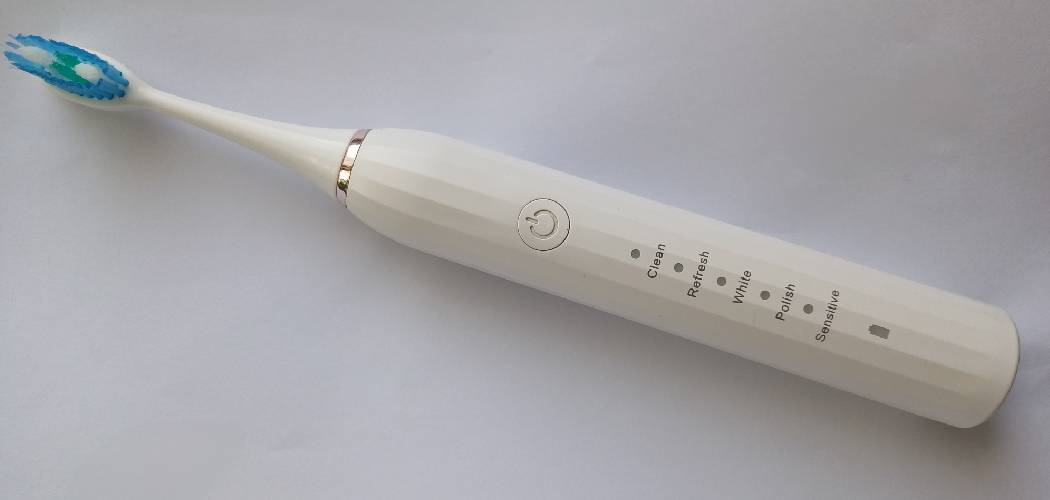
Switching from a manual brush how to use a vibrating toothbrush can feel a little strange at first. The buzzing tickles your teeth, and you might wonder if you’re even doing it right. Should you scrub like before, or just let the brush do the work? Good news — the technique is simpler than you think, and once you nail it, your mouth will feel cleaner than ever.
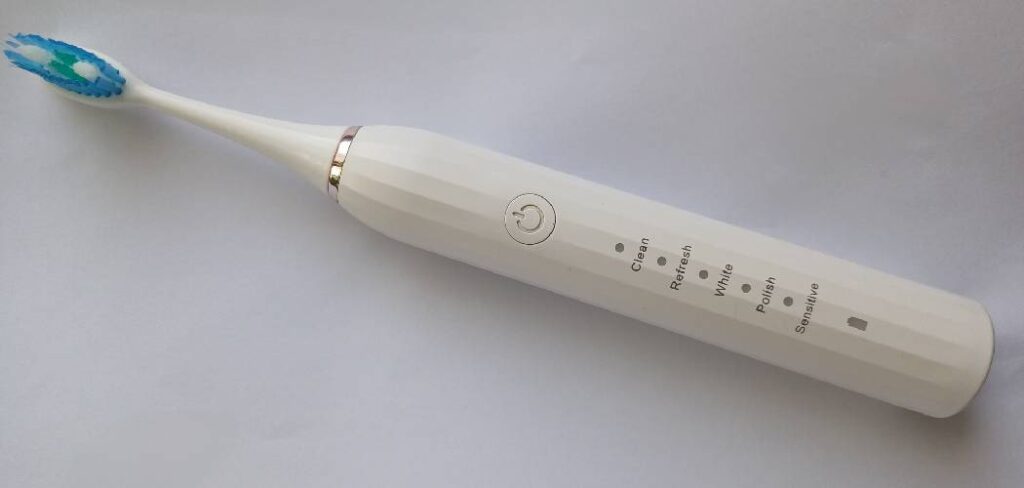
In this guide, you’ll learn exactly how to use one for the best results. We’ll cover what you need, walk through each step, and share pro tips that go beyond the manual. You’ll also get answers to common questions about oral hygiene and safety. By the end, brushing will feel second nature. Let’s get that fresh, dentist-clean feeling.
What You’ll Need
Gather these items before you start. Having everything ready makes your routine smooth and stress-free.
- A charged electric toothbrush (sonic or oscillating)
- A fresh replacement brush head (swap every three months)
- Fluoride toothpaste for cavity protection
- A timer or the built-in two-minute pacer
- Dental floss for cleaning between teeth
- Mouthwash for a final rinse
Step-by-Step Guide on How to Use a Vibrating Toothbrush
Follow these steps in order. Each one builds on the last, so you’ll get thorough plaque removal without damaging your gums.
Step 1: Attach a Clean Brush Head
Start by snapping a fresh or clean brush head onto the handle. Make sure it clicks firmly into place so it doesn’t wobble mid-brush. If the bristles look frayed or splayed out, it’s time for a new one. Worn bristles clean poorly and can irritate your gums. Most dentists suggest replacing the head every three months. A good head is the foundation of great brushing technique.
Step 2: Wet the Bristles and Add Toothpaste
Run the brush head under water for a second to soften the bristles. Then squeeze a pea-sized amount of fluoride toothpaste onto them. You don’t need a big glob like the toothpaste ads show. A small dab does the job and cuts down on foamy overflow. Fluoride strengthens enamel and helps fight cavities. Keep the paste on the bristles, not sliding off the sides.
Step 3: Place the Brush Before Turning It On
Here’s a common mistake to avoid: never switch the brush on before it’s in your mouth. If you do, you’ll spray toothpaste all over your mirror. Instead, place the bristles against your teeth first, angled toward the gumline. Then press the power button. This keeps things tidy and puts the vibrations right where they belong. Aim the brush at roughly 45 degrees for the best clean.
Step 4: Guide, Don’t Scrub
This is the biggest shift from manual brushing. With a sonic toothbrush, you don’t scrub back and forth. The rapid vibrations do the scrubbing for you. Simply glide the head slowly along each tooth, letting the bristles reach the surface and gumline. Move at a gentle pace, spending a few seconds on each tooth. Hard scrubbing wears down enamel and can hurt your gums, so let the tool lead.
Step 5: Work Through All Four Quadrants
Split your mouth into four sections: upper right, upper left, lower right, and lower left. Spend about thirty seconds on each quadrant for a full two-minute clean. Many brushes have a two-minute timer that buzzes when you should switch sections. This built-in pacer keeps every part of your mouth equally clean. Don’t rush past your back molars, since they trap the most food. Even coverage means no spot gets missed.
Step 6: Cover Every Surface of Each Tooth
Each tooth has three surfaces you need to hit: the outer side, the inner side, and the chewing top. Tilt the brush to reach the inner surfaces, which people often forget. Glide gently along the gumline, where plaque loves to hide. Take your time on the chewing surfaces too, guiding the bristles into the grooves. This thorough approach supports strong gum health over time. Skipping surfaces leaves plaque behind to harden into tartar.
Step 7: Watch the Pressure Sensor
Many modern brushes include a pressure sensor that lights up or slows down when you press too hard. Pay attention to that warning. You should hold the brush with a light, relaxed grip, almost like a pencil. Pressing harder doesn’t clean better — it just damages enamel and irritates gums. Let the vibrations handle the work while your hand simply guides the path. Gentle pressure protects your teeth for the long haul.
Step 8: Rinse and Clean Your Brush
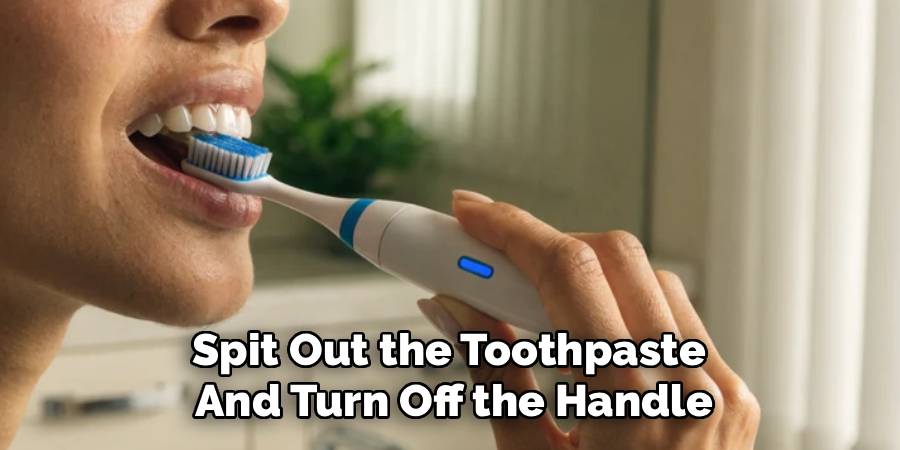
When the timer signals two minutes, spit out the toothpaste and turn off the handle. Rinse your mouth with water or mouthwash for extra freshness. Then rinse the brush head under the tap to clear away paste and debris. Shake off the excess water and stand the brush upright to air-dry. A clean, dry head resists bacteria buildup between uses. This small habit keeps your brushing safe and hygienic.
Step 9: Floss to Finish the Job
Even the best brush can’t reach fully between your teeth. That’s where dental floss comes in. Slide the floss gently between each pair of teeth, curving it around the sides. This removes trapped food and plaque your bristles miss. Flossing once a day rounds out your oral hygiene routine and protects against gum disease. Pair it with brushing, and you’ve got a complete clean.
Tips for Best Results
Want to get even more from your routine? These insider tricks go beyond the basic steps.
- Charge it fully, but don’t leave it plugged in forever. Draining and recharging the battery now and then keeps it healthy. A constant charge can shorten battery life over the years, so unplug once it’s full.
- Brush before breakfast, not right after. Acidic foods and juice soften your enamel for a bit. Brushing immediately can wear it down, so wait thirty minutes or clean up before you eat.
- Let the toothpaste sit for a few seconds. After you finish, spit but don’t rinse with water right away. Leaving a thin fluoride layer on your teeth boosts cavity protection.
- Replace the head at the first sign of wear. Don’t wait the full three months if bristles fray early. A fresh head cleans far better and is gentler on your gums.
- Use the built-in modes wisely. If your brush has gum-care or sensitive settings, try them. They tailor the vibrations to your needs and make brushing more comfortable.
FAQ Questions
How Long Should I Brush With an Electric Toothbrush?
Aim for a full two minutes, twice a day. Most electric models include a two-minute timer that pulses every thirty seconds to guide you between sections. This ensures each part of your mouth gets equal attention. Sticking to the full two minutes gives you the dentist-recommended clean.
Can I Use a Vibrating Toothbrush With Braces?
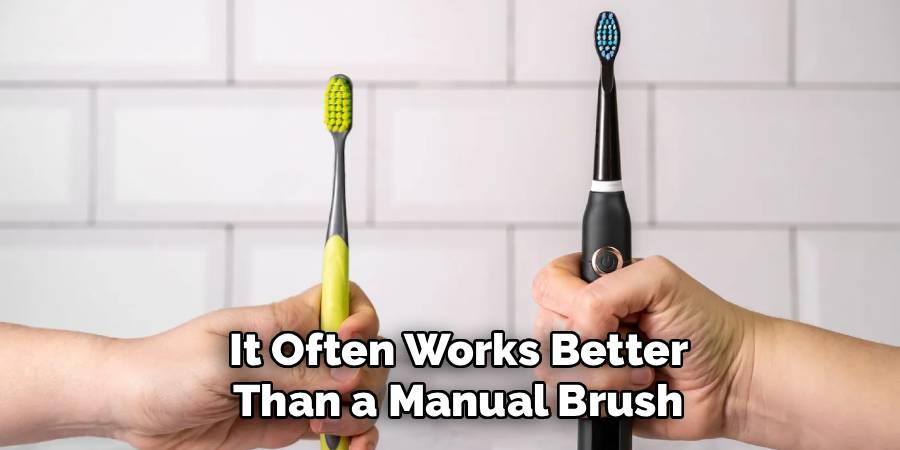
Yes, and it often works better than a manual brush. The gentle vibrations help clear food and plaque trapped around brackets and wires. Just move slowly and let the bristles reach into the tight spaces. Some brands offer orthodontic brush heads shaped to clean around braces even more easily.
Is It Safe to Press Hard While Brushing?
No, pressing hard can actually harm your teeth. Too much force wears down enamel and pushes back your gums over time. That’s why many brushes include a pressure sensor to warn you. Hold the brush lightly and let the vibrations do the cleaning for you.
How Often Should I Replace the Brush Head?
Swap the brush head about every three months, or sooner if the bristles fray. Worn bristles lose their shape and clean far less effectively. Frayed edges can also scratch your gums and enamel. A fresh head keeps your plaque removal sharp and your mouth healthy.
Do I Still Need to Floss If I Use a Sonic Toothbrush?
Absolutely. Even a powerful sonic toothbrush can’t fully reach the tight gaps between your teeth. Floss removes trapped food and plaque that bristles simply miss. Combining daily flossing with brushing gives you complete oral hygiene and stronger gum health.
Can Children Use an Electric Toothbrush?
Yes, many kids’ models are designed with softer bristles and smaller heads. The gentle vibrations make brushing fun and effective for little mouths. Just supervise young children to make sure they use a light touch and brush long enough. Always pick a size and setting suited to their age.
Conclusion
Getting the most from your vibrating toothbrush really comes down to one idea: guide the brush and let it do the scrubbing. Angle the bristles toward your gumline, move gently through all four quadrants, and finish with floss and a rinse. That simple routine delivers a cleaner, dentist-fresh feeling every day. If you haven’t upgraded your brush yet, check out our recommended products above to find a reliable pick. Curious for more? Explore our other guides for smart tips on oral care and everyday tools.
