
You run a comb through your hair, but it still looks dull, frizzy, and lifeless by lunchtime. Sound familiar? The fix might be simpler than a fancy serum or another trip to the salon. A boar bristle brush works with your hair’s natural oils to smooth strands, add shine, and tame flyaways—no chemicals required.
In this guide, you’ll learn exactly how to use a boar bristle brush. We’ll cover what to gather first, walk through each step, and share a few insider tricks the pros rely on. Whether you’re brand new to hair tools or a seasoned styling hobbyist, you’ll come away knowing how to get salon-worthy results at home. Let’s dig in.
What You’ll Need
Before you start, gather a few basics. Keeping everything within reach makes the whole process smoother.
- A quality boar bristle brush (natural bristles, not synthetic)
- A wide-tooth comb or detangling brush
- A clean, dry section of hair (or lightly damp for finer hair)
- A hair tie or clips to section longer hair
- A microfiber towel (optional, for prep)
- A little patience—especially the first few times
That’s it. No heat tools or products are strictly necessary. The beauty of this brush lies in its simplicity. Once you have these items ready, you’re set to begin.
Step-by-Step Guide on How to Use a Boar Bristle Brush
Follow these steps in order. Take your time, and don’t rush the process. Slow, steady strokes give the best results.
Step 1: Detangle Your Hair First
Never start with a boar bristle brush on knotty hair. The soft, dense bristles aren’t built to yank through tangles. Grab your wide-tooth comb or detangling brush and gently work out any knots first.
Start at the ends and move upward toward the roots. This prevents breakage and keeps your session pain-free. Skipping this step is the most common mistake beginners make. A tangle-free base sets you up for smooth, even brushing.
Step 2: Make Sure Your Hair Is Dry (Mostly)
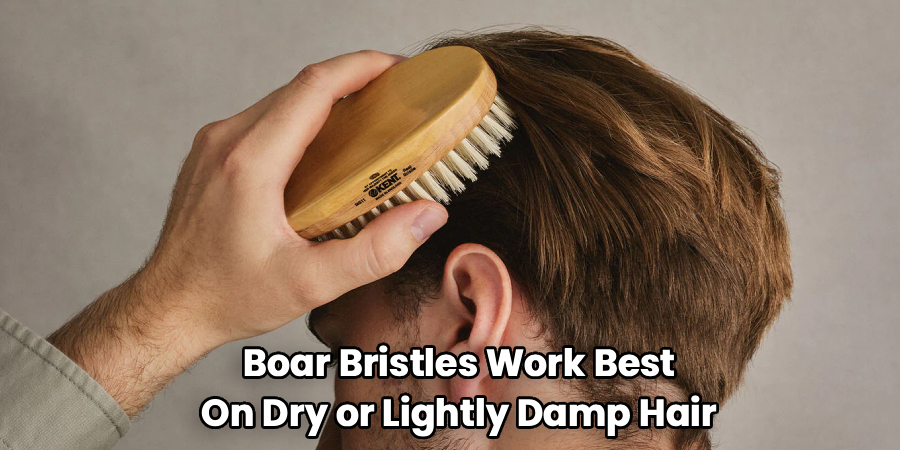
Boar bristles work best on dry or lightly damp hair. Wet hair stretches and snaps easily, so heavy moisture can lead to damage. If you just washed your hair, let it air-dry or pat it with a microfiber towel until it’s about 80% dry.
For very fine or wavy hair, a light mist works fine. Thicker, coarser hair often prefers fully dry strands. Test what feels right for your hair type. The goal is control, not a soaking-wet tangle.
Step 3: Section Your Hair
Working in sections gives you far better control, especially with thick or long hair. Clip the top layers up and start with the bottom sections near your neck. This way, you cover every strand without missing spots.
Sectioning also spreads your natural oils more evenly. Release each layer as you finish the one below it. If your hair is short or thin, you can skip this step. For everyone else, it’s a game-changer.
Step 4: Start Brushing From the Scalp
Place the bristles gently against your scalp and press lightly. Begin your stroke right at the roots. The soft bristles stimulate your scalp and pick up the natural oils that build up there.
Use slow, deliberate movements rather than fast tugs. You’re not scrubbing—you’re guiding oils downward. This gentle massage also boosts circulation, which many people find relaxing. Think of it as a mini scalp treatment built into your routine.
Step 5: Pull the Bristles Through to the Ends
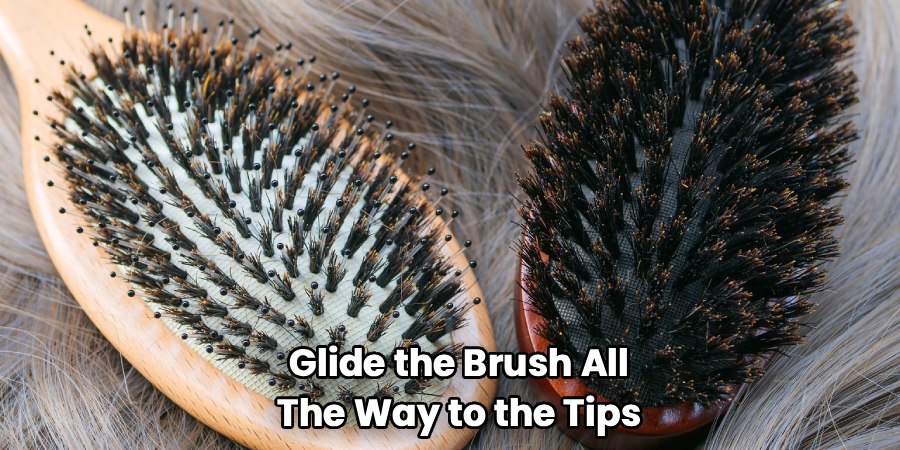
Once you start at the scalp, glide the brush all the way to the tips. This motion carries those scalp oils down the hair shaft. Those oils, called sebum, are nature’s conditioner. They coat each strand, adding shine and locking in moisture.
Keep your strokes smooth and consistent. Ten to fifteen strokes per section is plenty. Over-brushing can stress your strands, so resist the urge to keep going. Even coverage matters more than sheer repetition.
Step 6: Follow the Direction of Growth
Always brush in the direction your hair naturally falls. Fighting against the grain roughs up the cuticle and creates frizz. Smooth, downward strokes flatten the cuticle instead, which is what gives hair that glossy finish.
If you want volume, you can flip your head upside down and brush from the nape forward. Then flip back up and smooth the top layer. This technique lifts the roots while keeping the surface sleek. Play around to find what suits your style.
Step 7: Style as You Brush
A boar bristle brush isn’t just for smoothing—it doubles as a styling tool. Use it to shape a blowout, tuck ends under, or add gentle waves. Wrap sections around the brush and hold for a few seconds to set the shape.
For a polished look, pair it with a blow dryer on low heat. The bristles grip hair well, giving you tension and control. This combo helps you achieve that smooth, bouncy salon finish. Practice makes the movement feel natural.
Step 8: Clean the Brush After Use
Your brush collects oil, dust, and loose hair with every session. Remove trapped strands after each use with your fingers or a comb. This keeps the bristles working at their best and stops buildup.
Once a week, give it a deeper clean. Mix warm water with a drop of gentle shampoo and swish the bristles through it. Rinse, then lay the brush bristle-side down to air-dry. Clean tools mean cleaner, healthier hair.
Tips for Best Results
Ready to level up? These insider tips go beyond the basics and make a real difference.
- Brush at night, not just in the morning. A few strokes before bed spreads oils overnight, so you wake up with softer, shinier hair.
- Match the bristle firmness to your hair type. Fine hair loves soft bristles, while thick or coarse hair benefits from firmer ones. The wrong firmness either tugs or barely grips.
- Don’t over-brush. More isn’t always better. Sticking to gentle, consistent strokes protects your strands and prevents oil overload at the roots.
- Skip it on soaking-wet hair. Save your natural-bristle brush for dry or barely damp strands. Use a detangling tool for wet hair instead.
- Rotate two brushes if you use it daily. This lets each one fully dry between uses and extends the life of both.
Frequently Asked Questions
What Is a Boar Bristle Brush Good For?
It’s designed to distribute your scalp’s natural oils down the length of your hair. This adds shine, smooths frizz, and improves overall texture without any products. Many people also use it to stimulate the scalp and boost circulation. It’s a favorite for anyone chasing healthy, glossy hair the natural way.
How Often Should I Use It?
Daily use is fine for most hair types, as long as you’re gentle. Aim for a short session in the morning or evening—ten to fifteen strokes per section. If your hair gets oily fast, cut back to every other day. Listen to your hair and adjust as needed.
Can I Use It on Curly or Textured Hair?
Yes, but with care. Curly and coily hair is more prone to breakage, so detangle thoroughly first with a wide-tooth comb. Use the brush mainly to smooth the surface or edges rather than pulling through tight curls. Some people prefer using it only on dry, stretched hair to avoid disrupting their curl pattern.
Is It Safe to Use on Fine or Thinning Hair?
Absolutely, and it may even help. Choose a soft-bristle version to avoid stressing delicate strands. The gentle scalp massage can support circulation, which some believe encourages healthier growth. Just keep your strokes light and don’t overdo it.
How Do I Know If My Brush Has Real Boar Bristles?
Genuine bristles feel soft yet slightly coarse and often vary in length. They also carry a faint natural scent when wet, unlike plastic. Synthetic versions feel uniform and shiny. When shopping, check the product description and look for reputable brands that clearly state natural materials.
Why Isn’t My Hair Getting Shiny?
Give it time—results build over a week or two of regular use. Make sure you’re brushing from the scalp down, since that’s what moves the oils. Also, check that your hair is clean and mostly dry before you start. If it still looks dull, your bristles might be too soft to grip your hair type.
Conclusion
Getting shiny, healthy hair doesn’t require a cabinet full of products. With a little practice, a boar bristle brush becomes one of the simplest tools in your routine. Just remember to detangle first, brush from the scalp down, and clean your brush regularly. Stick with it, and you’ll notice smoother, glossier hair within a couple of weeks.
If you haven’t picked one up yet, check out our recommended picks above to find the right fit for your hair. Ready for more? Browse our other grooming and styling guides to keep leveling up your routine.
