
Picture this: it’s Saturday morning, you grab your coffee, and stroll out to the backyard for a quick dip. But instead of sparkling blue water, you find leaves, dirt, and a layer of grime coating the bottom. Not exactly the relaxing scene you pictured. That’s where a pool cleaner comes to the rescue. Learning how to use a pool cleaner properly saves you time, money, and a whole lot of scrubbing.
In this guide, you’ll learn exactly how to set up, run, and store your cleaner like a pro. We’ll walk through the tools you need, a simple step-by-step process, and insider tips that keep your water crystal clear. Whether you own a suction model or a fancy robotic unit, you’ll feel confident by the end.
What You’ll Need
Before you start, gather everything so you’re not running back and forth. Here’s a quick checklist:
- Your pool cleaner (suction, pressure, or robotic model)
- The cleaner’s hose sections or power cord
- A telescopic pole (for manual attachments or retrieval)
- A skimmer net to remove large debris first
- A working pool pump and filter system
- A garden hose (for pressure-side models)
- Safety gloves (optional, but handy)
- Your owner’s manual for model-specific details
Having these ready makes the whole job smoother. Trust me, a little prep goes a long way.
Step-by-Step Guide on How to Use a Pool Cleaner
Follow these steps in order, and you’ll get spotless results every time. Each type of cleaner works a little differently, but the core process stays the same.
Step 1: Skim the Surface First
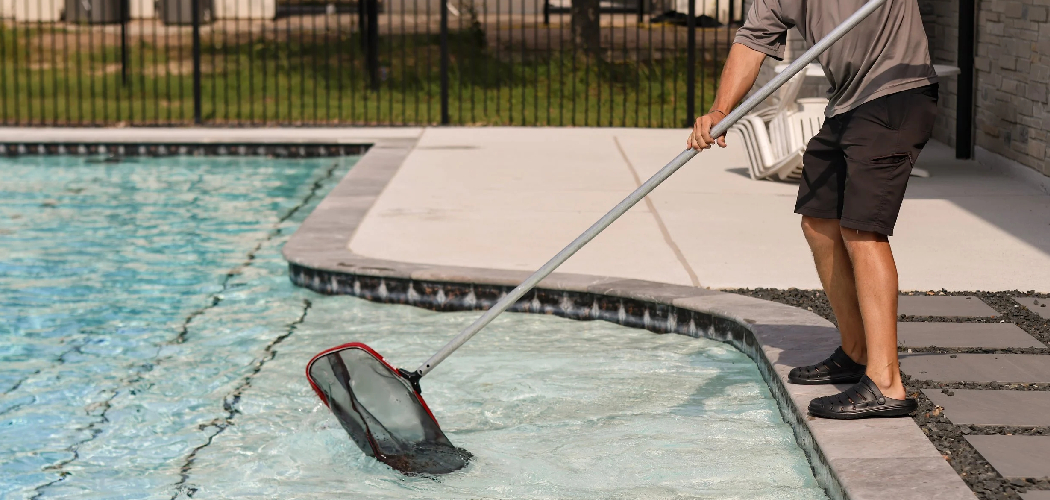
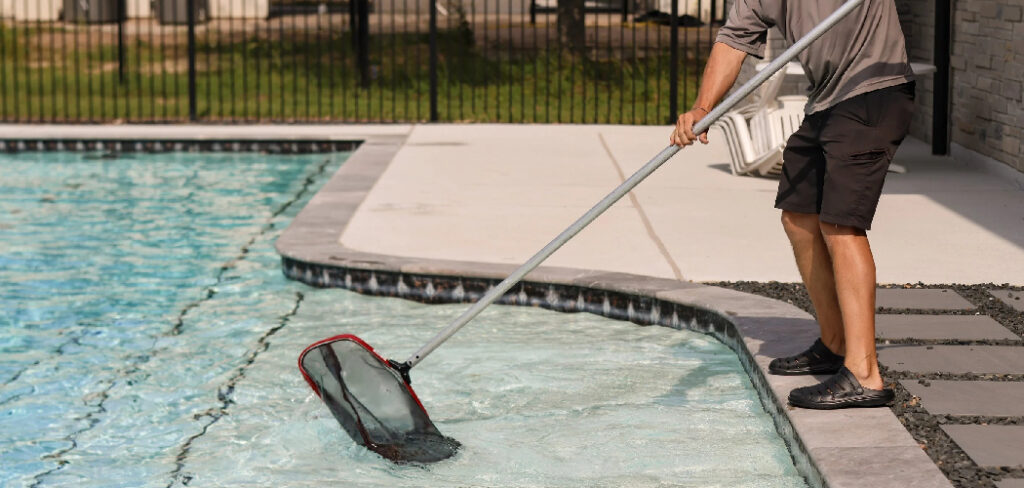
Before you drop anything in the water, grab your skimmer net. Scoop out leaves, bugs, twigs, and any floating junk. This one step prevents your cleaner from clogging or getting overwhelmed. Large debris can jam suction lines and slow the whole process down.
Take a few minutes to walk around the entire pool. Pay attention to corners where wind pushes debris. A clean surface lets your machine focus on the fine dirt below.

Step 2: Check Your Pump and Filter
Your pool’s pump and filter do a lot of the heavy lifting. Make sure the pump is running and the water circulation is strong. If the filter is dirty or clogged, clean or backwash it first. A struggling filter means weaker suction and poor results.
This is one of the most common mistakes people make. They skip the filter check and wonder why cleaning takes forever. A healthy filter keeps everything flowing the way it should.
Step 3: Prepare Your Cleaner
Now, get your machine ready based on its type. For a suction cleaner, connect the hose sections and attach it to the skimmer or a dedicated suction port. For a pressure model, hook it up to the return line and your booster pump. Robotic units simply need charging or a plug into a safe outdoor outlet.
Lay out the hose in the sun for a few minutes if it’s stiff. Warm hoses are easier to work with and less likely to kink. A kinked hose blocks flow and reduces performance.
Step 4: Remove Air From the Hose
This step matters for suction and pressure cleaners. Air trapped inside the hose causes the unit to float or move erratically. To fix this, hold the hose underwater and let it fill completely before connecting. You’ll see bubbles escape as water takes over.
Skipping this leads to weak suction and a cleaner that gets stuck in one spot. Take your time here. A properly primed hose glides across the floor smoothly.
Step 5: Lower the Cleaner Into the Pool
Gently place the unit into the water and let it sink to the bottom. Guide it down slowly so it doesn’t slam against the surface or trap more air. For robotic models, just set it in and press the start button. Watch it settle before you walk away.
Position the hose so it can reach every corner of the pool. If the cord or hose is too short, adjust your connection point. A well-placed cleaner covers more ground with less effort.
Step 6: Turn On and Let It Run
Once everything is connected, switch on the system. For suction and pressure models, the pump powers the movement. Robotic cleaners run on their own motor and internal filter. Watch the first few minutes to make sure it moves freely across the floor and walls.
Most units need one to three hours for a full clean, depending on pool size. Don’t rush it. Let the cleaner do its thing while you handle other tasks or just relax.
Step 7: Monitor and Reposition if Needed
Check back after a while to see how it’s doing. Sometimes a cleaner gets stuck on a ladder, drain, or tight corner. If that happens, gently nudge it free with your telescopic pole. Also, keep an eye on the hose to prevent tangles.
A tangled hose is the number one reason cleaners miss spots. Untwist it as needed so the unit roams the whole pool. Small adjustments make a big difference in coverage.
Step 8: Remove and Clean the Unit
When the cycle finishes, turn off the system before you touch anything. Pull the cleaner out slowly and let excess water drain back into the pool. Empty the debris canister or filter bag right away. Rinse it with a garden hose to clear out trapped dirt.
Leaving debris inside leads to odor and reduced suction next time. A quick rinse keeps your pool vacuum working like new. This habit extends the life of your equipment.
Step 9: Store Everything Properly
Coil the hose loosely to avoid permanent kinks and store it out of direct sunlight. UV rays weaken materials over time. Keep robotic units in a shaded, dry spot and off the ground. Wind cords neatly so they don’t crack.
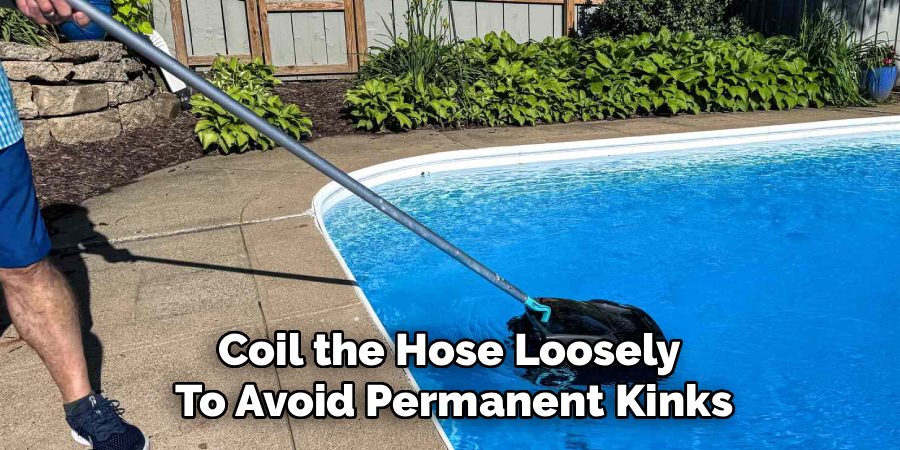
Proper storage protects your investment. A well-kept machine performs better and lasts longer. Give it a good home when the job’s done.
Tips for Best Results
Want to get the most out of every cleaning session? These expert tips go beyond the basics:
- Run your cleaner during off-peak hours. Early morning or late evening means less swimmer traffic and calmer water. This helps the unit move without interruption and covers the floor more evenly.
- Brush the walls first for stubborn algae. A cleaner handles loose dirt well, but caked-on algae needs a manual scrub. Loosen it, then let the machine sweep up the rest.
- Check the pool skimmer basket weekly. A full skimmer basket weakens suction and strains your pump. Empty it regularly to keep water circulation strong and your cleaner efficient.
- Balance your water chemistry. Clean water isn’t just about debris. Proper pH and chlorine levels prevent algae from returning fast. Test weekly for the best pool maintenance routine.
- Inspect hoses and parts monthly. Look for cracks, worn wheels, or loose fittings. Catching small issues early saves you from bigger repairs down the road.
Frequently Asked Questions
How Often Should I Use a Pool Cleaner?
For most pools, running your cleaner two to three times a week keeps the water spotless. If your yard has lots of trees or heavy use, you may need daily runs during peak season. In quieter months, once a week often does the trick. Adjust based on how much debris you notice.
Can I Leave My Pool Cleaner in the Water All the Time?
It’s best to remove your cleaner after each cycle. Leaving it in constantly exposes it to chemicals and UV rays that wear it down faster. Sitting water and sunlight can also fade hoses and crack plastic parts. Pull it out, rinse it, and store it to make it last for years.
Do I Need a Different Cleaner for an Above-Ground Pool?
Yes, in many cases. Above-ground pools have flatter floors and softer liners, so a lightweight suction cleaner or robotic model works best. Heavy pressure units are usually made for in-ground pools with deeper ends. Always check that your chosen model matches your pool type and size.
Why Isn’t My Pool Cleaner Moving Properly?
Weak movement usually points to trapped air, a clogged filter, or a dirty skimmer basket. Start by priming the hose to remove air and checking your pump. If the unit still struggles, inspect the wheels or tracks for tangled debris. Most movement problems come down to these simple fixes.
Is a Robotic Cleaner Worth the Extra Cost?
For many pool owners, yes. A robotic cleaner runs on its own motor and filter, so it doesn’t strain your pump or filter system. It also scrubs walls and the waterline, which suction models often miss. The upfront cost is higher, but you save on energy and time in the long run.
How Long Does a Full Cleaning Cycle Take?
Most cleaners need one to three hours to cover an average pool. Larger pools or heavy debris loads take longer. Robotic units often finish faster thanks to smart navigation. Check your manual for the recommended cycle time for your specific model.
Conclusion
Keeping your pool sparkling doesn’t have to feel like a chore. With the right pool cleaner and this simple routine, you’ll spend less time scrubbing and more time swimming. Just remember to skim first, check your filter, prime the hose, and store everything properly. Those small habits make a huge difference.
If you haven’t picked one up yet, check out our recommended picks above to find the perfect match for your pool. Ready to keep that water crystal clear? Explore our other pool maintenance guides for more expert tips and tricks. Happy swimming!
