

That first mow of the weekend can feel like an alarm clock for the whole neighborhood. Your ears ring, the dog hides, and you can practically feel the glares from behind curtained windows. If you’ve ever wondered how to make a lawn mower quieter without buying a brand-new machine, you’re in the right spot.

The good news? A loud mower usually points to a few fixable culprits. Loose parts, a tired muffler, and unchecked vibration all crank up the engine noise. In this guide, we’ll walk through the tools you need, a clear step-by-step process, and a few insider tricks. By the end, you’ll cut grass in peace and keep your neighbors smiling.
What You’ll Need
Before you start, gather your gear. Having everything within reach makes the job smoother and safer.
- Socket wrench set and screwdrivers
- Replacement muffler or muffler repair kit (if needed)
- High-temperature exhaust wrap or heat tape
- Rubber anti-vibration mounts or washers
- Sound-dampening foam or automotive insulation mat
- Fresh air filter and spark plug
- Sharpening file or bench grinder (for the blade)
- Work gloves and safety glasses
- Clean rags and a wire brush
- Owner’s manual for your specific model
Grab a small container for loose bolts too. Nothing slows a project down like a lost screw rolling under the workbench.
Step-by-Step Guide on How to Make a Lawn Mower Quieter
Follow these steps in order. Each one tackles a common source of noise, so by the time you finish, your mower should run noticeably softer.
Step 1: Disconnect the Spark Plug for Safety
Safety comes first, always. Before you touch anything, pull the spark plug wire off the plug. This stops the engine from accidentally starting while your hands are near the blade. It’s a small step, but it prevents serious injuries.
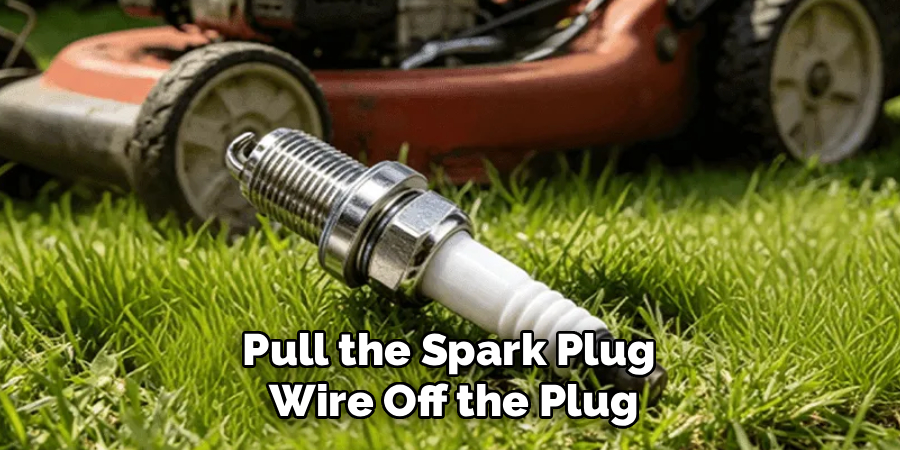
Set the wire aside where it won’t flop back into place. If your mower is electric or battery-powered, remove the battery or unplug it. Now you can work with total peace of mind.
Step 2: Inspect and Tighten Loose Parts
A surprising amount of racket comes from parts that have shaken loose over time. Grab your socket wrench and check every bolt on the deck, handle, and engine housing. Rattling metal amplifies engine noise and adds an annoying buzz.
Go slow and feel for anything wobbly. Tighten bolts snugly, but don’t overtighten and strip the threads. This quick sweep often shaves off a chunk of the sound before you even touch the muffler. It’s the easiest win in the whole process.
Step 3: Examine the Muffler for Damage
The muffler is your mower’s main defense against loud engine noise. Over the years, it can rust, crack, or develop holes that let sound escape. Give yours a close look once the engine is cool. Look for gaps, dents, or thin rusted spots.
If you spot damage, that muffler is likely a big reason your mower sounds like a jet engine. Tap it gently with a screwdriver handle. A dull, hollow rattle usually means internal baffles have broken loose. That’s your signal to repair or replace it.
Step 4: Replace or Upgrade the Muffler
A worn muffler rarely gets quieter on its own. If yours is damaged, swapping it out is one of the best ways to dial down the volume. Check your owner’s manual for the correct replacement part number. Aftermarket “quiet” mufflers exist for many models and can trim several decibels.
Remove the old unit with your socket wrench, then clean the mounting surface with a wire brush. Bolt on the new muffler and make sure the seal is tight. A snug, leak-free fit is key to real noise reduction. Take your time here; it pays off.
Step 5: Wrap the Exhaust With Heat Tape
Once your muffler is solid, exhaust wrap adds another layer of quiet. High-temperature heat tape muffles the sharp hiss that escapes from the exhaust pipe. It also traps heat, which can help the engine run a touch more efficiently.
Wrap the tape tightly around the exhaust, overlapping each pass by about half an inch. Secure the ends with the included clamps or stainless wire. Keep the wrap away from plastic parts and fuel lines. This trick is cheap, fast, and genuinely effective for sound dampening.
Step 6: Add Anti-Vibration Mounts
Vibration is a sneaky noise source that many people overlook. When the engine shakes, that energy travels through the frame and turns into a low, droning hum. Rubber anti-vibration mounts absorb that shake before it spreads. They sit between the engine and the deck.
Check where the engine bolts to the frame. If there are no rubber isolators, add some using rubber washers or purpose-built mounts. This softens the connection and cuts the buzz you feel in your hands. Less vibration means a quieter, more comfortable mow.
Step 7: Install Sound-Dampening Foam
For an extra boost, line the inside of the engine housing with sound-dampening foam. Automotive insulation mats work great and handle heat well. Cut the material to fit the flat panels around the motor. Peel and stick it firmly in place.
Keep the foam clear of moving parts, hot exhaust, and the air intake. Blocking airflow can cause the engine to overheat. When placed correctly, this insulation muffles engine noise like a blanket over a speaker. It’s a favorite trick for anyone serious about learning how to make a lawn mower quieter.
Step 8: Sharpen and Balance the Blade
A dull or bent blade doesn’t just cut poorly; it adds noise. When the blade is unbalanced, it wobbles and rattles the whole deck. Remove the blade with your socket wrench, keeping track of which way it faces. Sharpen the cutting edges with a file or bench grinder.
After sharpening, balance the blade on a nail or blade balancer. If one side dips, grind a little more off that side until it sits level. A sharp, balanced blade spins smoothly and quietly. Bonus: your grass gets a cleaner cut too.
Step 9: Service the Air Filter and Spark Plug
A struggling engine is a loud engine. A clogged air filter forces the motor to work harder, which raises the noise level. Pop out the old filter and replace it if it’s dirty. Fresh air flow helps the engine breathe easy and run smoother.
While you’re at it, check the spark plug. A worn plug causes rough, noisy combustion. Swap in a new one if the electrode looks burnt or corroded. Clean, healthy components keep the engine humming instead of roaring.
Step 10: Reassemble and Test Your Mower
You’re in the home stretch. Reattach the blade, tighten every bolt, and double-check your foam and wrap placement. Reconnect the spark plug wire last. Then start the engine and listen closely. It should sound calmer and steadier than before.

Let it run for a minute and watch for anything loose or rattling. Feel the handle for reduced vibration. If something still buzzes, shut it off and hunt down the source. A little fine-tuning now guarantees a smooth, quiet mow later.
Tips for Best Results
Want to squeeze out every last bit of quiet? These extra pointers go beyond the basics.
- Mow at the right RPM. Running your engine at a slightly lower throttle for light grass reduces both fuel use and engine noise. You don’t always need full power.
- Keep the deck clean. Caked-on grass clippings throw the blade off balance and increase vibration. A quick scrape after each use keeps things smooth.
- Check bolts every few weeks. Vibration slowly loosens hardware. A monthly tightening routine stops rattles before they start and protects your noise reduction work.
- Consider a reel or battery mower for small yards. If your lawn is tiny, a push reel mower or electric model runs at a fraction of the decibels. It’s the ultimate upgrade for peace and quiet.
- Store your mower on a soft surface. Vibration during storage can loosen parts over time. A rubber mat under the wheels helps everything stay put.
Frequently Asked Questions
Why Is My Lawn Mower So Loud All of a Sudden?
A sudden jump in volume usually means something broke or came loose. The most common cause is a damaged muffler that no longer contains the exhaust sound. Loose bolts and a rattling deck can also spike the noise overnight. Inspect the muffler and tighten hardware first to find the culprit.
How Much Quieter Can I Actually Make My Mower?
With a fresh muffler, exhaust wrap, and sound-dampening foam, you can often cut several decibels off the total noise. That may not sound like much, but decibels work on a scale where small numbers make a big difference. Combined with anti-vibration mounts, the drop is very noticeable. Don’t expect silence, but expect a far more pleasant mow.
Is It Safe to Add Foam Insulation Near the Engine?
Yes, as long as you use heat-resistant material and place it correctly. Keep all foam and insulation away from the hot exhaust, moving parts, and the air intake. Automotive-grade sound-dampening mats handle high temperatures well. Blocking airflow is the main risk, so always leave the intake and cooling fins clear.
Can I Make a Gas Mower as Quiet as an Electric One?
Not quite, but you can close the gap. Gas engines produce more inherent engine noise and vibration than electric motors. Following the steps above will dramatically reduce the racket, though a battery model will still win on pure quiet. If silence is your top priority, electric is the way to go for smaller yards.
Do I Need Special Tools to Replace the Muffler?
Most muffler swaps only require a basic socket wrench set and a little patience. Some models use stubborn, rusted bolts that may need penetrating oil to loosen. A wire brush helps clean the mounting surface for a tight, leak-free seal. Always check your owner’s manual for the exact replacement part and torque specs.
How Often Should I Sharpen the Blade for Noise Control?
Sharpen your blade at least once or twice per mowing season. A dull, unbalanced blade wobbles and adds unnecessary vibration and rattle. If you hit rocks or roots often, check it more frequently. A sharp, balanced blade runs quieter and gives your lawn a cleaner cut.
Conclusion
Taming a noisy mower is easier than most folks expect. Once you know how to make a lawn mower quieter, a few simple fixes turn a roaring machine into a peaceful weekend helper. Tighten the loose parts, refresh the muffler, tame the vibration, and keep that blade sharp. Each step chips away at the noise until mowing feels calm again.
If you haven’t grabbed the supplies yet, check out our recommended picks above to get started. Ready for your next project? Browse our other DIY guides and keep your tools running their best.
