
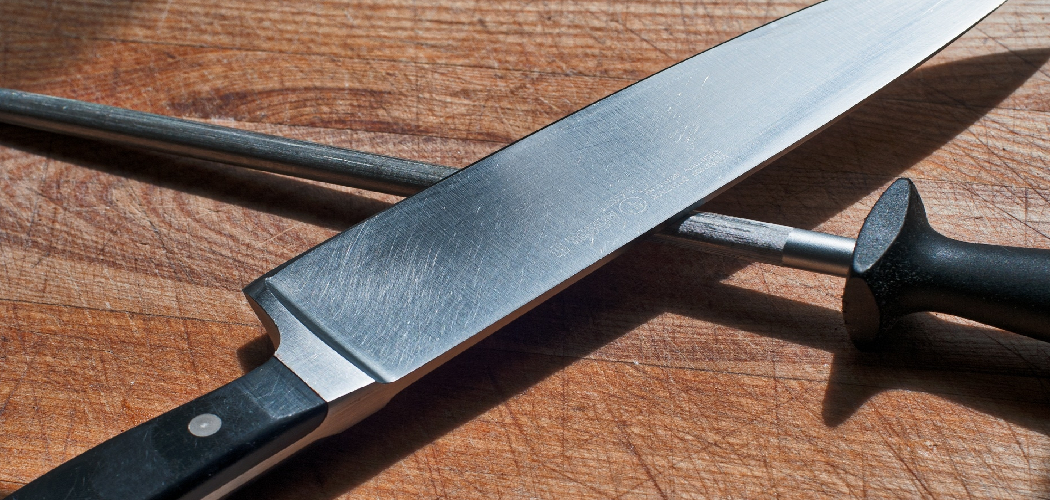
That trusty ceramic knife glided through tomatoes like butter when you first bought it. Now it crushes them instead of slicing. Frustrating, right? Learning how to sharpen a ceramic knife feels intimidating at first, mostly because this blade is nothing like the steel ones in your kitchen drawer. One wrong move and you could chip that delicate edge.
Here’s the good news. With the right tool and a gentle hand, you can bring back that razor-sharp cutting edge in minutes. In this guide, you’ll learn what makes a ceramic blade special, exactly what gear you need, and a simple step-by-step method to restore your knife’s bite. Let’s get that edge singing again.
What Is a Ceramic Knife?
A ceramic knife has a blade made from zirconium oxide, a super-hard material fired at extreme heat. It’s far harder than steel, which means it holds its cutting edge for a very long time. Because it never rusts and won’t react with food, it stays clean and slices fruit and veggies beautifully. The trade-off is that ceramic is brittle, so it can chip if dropped or twisted the wrong way.
What You’ll Need
Gather these items before you begin. Keep everything within easy reach so the process stays smooth:
- A diamond sharpener or diamond sharpening stone (this is essential, since regular whetstones won’t work)
- Your dull ceramic knife
- A damp cloth or paper towel
- A clean, stable work surface
- A cutting board or non-slip mat to grip the base
- Water for wetting the stone (if your stone requires it)
- Good lighting to see the blade edge clearly
- Optional: an electric diamond sharpener made for ceramic blades
A quick note on tools. Ceramic is so hard that only diamond abrasives can shape it. A standard steel whetstone or honing rod simply glides across without doing anything.
Step-by-Step Guide on How to Sharpen a Ceramic Knife
Take your time with each step. Rushing is the number one cause of chips, so go slow and steady.
Step 1: Choose the Right Diamond Sharpener
Pick a diamond sharpener with a fine grit, ideally between 600 and 1000. Coarse grits remove too much material and can weaken a thin ceramic blade. A diamond stone or a rod-style diamond sharpener both work well for this job.
Check that your tool is labeled specifically for ceramic if you’re unsure. Electric sharpeners built for ceramic take the guesswork out of angle control. Whatever you pick, make sure the diamond coating covers the full surface evenly. A worn or patchy sharpener gives you a rough, uneven cutting edge.
Step 2: Clean and Inspect the Blade
Wipe the knife down with a damp cloth to remove any food residue or grease. A clean surface lets you see the true condition of the edge. Hold the blade up to the light and look closely for tiny chips or dull spots. This tells you where to focus your effort.
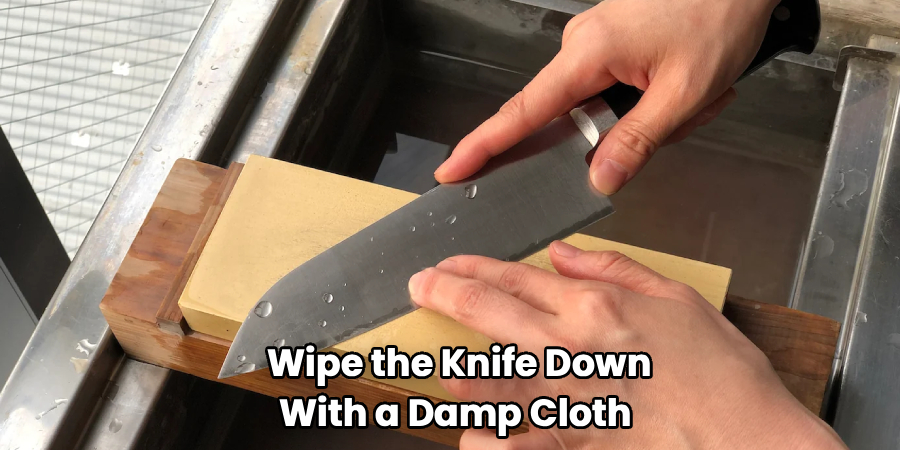
If you spot a large chip, know that sharpening can smooth small nicks but won’t fix major damage. Note which side of the edge looks more worn. Understanding the blade before you start saves you time later. Good knife maintenance always begins with a careful inspection.
Step 3: Set Up a Stable Workspace
Place your diamond stone on a non-slip mat or a damp towel. This keeps it from sliding while you work. Sit or stand where you have room to move your arm freely without bumping anything. Solid footing means better control.
Position a bright light so it hits the blade edge directly. You want to see exactly what your sharpener is doing with each pass. A wobbly setup leads to slips, and slips lead to chips. Take the extra minute to lock everything in place.
Step 4: Find the Correct Sharpening Angle
Most ceramic knives have a factory edge angle between 15 and 20 degrees. Getting this angle right matters more than anything else. Hold the blade against the diamond sharpener and tilt it until the edge sits flush against the abrasive. That’s your target angle.
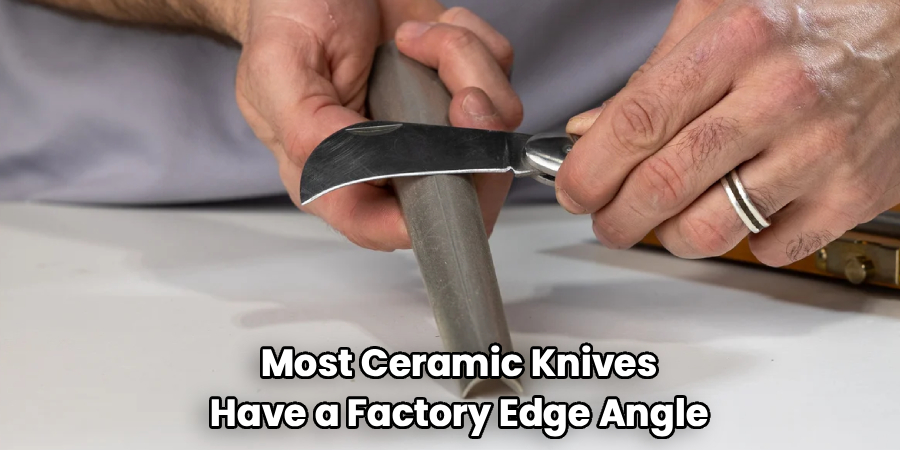
Keep it consistent from heel to tip. If your hand wobbles, the edge turns uneven and dull. Beginners often set the angle too steep, which rounds the edge instead of sharpening it. A cheap angle guide clip can help you hold steady while you learn the feel.
Step 5: Make Slow, Even Passes
Draw the blade across the diamond surface in one smooth motion, from the base of the edge to the tip. Use light pressure and let the diamond grit do the work. Pressing hard doesn’t sharpen faster, it just risks cracking the ceramic. Aim for slow, deliberate strokes.
Repeat the same motion five to ten times on one side. Count your passes so you can match them on the other side. Consistency is what turns a dull knife into a keen one. Never saw back and forth, since that erratic motion can damage the fragile edge.
Step 6: Sharpen the Other Side Evenly
Flip the knife over and repeat the exact same number of passes on the second side. Matching both sides keeps the cutting edge centered and balanced. If you sharpen one side more than the other, the blade will pull to one direction when you cut. Keep your angle identical to the first side.
Watch the edge as you go. You’re looking for a clean, bright line where the two sides meet. This even approach mirrors classic honing techniques used on steel knives. Balance is the secret to a blade that slices straight and true.
Step 7: Test the Sharpness
Grab a ripe tomato or a sheet of paper to test your work. A sharp ceramic blade should bite into paper cleanly with almost no pressure. If it snags or tears, you likely need a few more passes on each side. Test gently and keep your fingers clear.
Don’t expect a mirror finish like polished steel. Ceramic edges look slightly matte even when perfectly sharp. If the knife glides through a tomato skin without crushing it, you’ve nailed it. This quick check confirms your effort paid off.
Step 8: Clean and Store Properly
Wipe the blade with a damp cloth to remove any ceramic dust from sharpening. Dry it fully before putting it away. Store the knife in a blade guard, a magnetic strip, or a dedicated slot to protect that fresh cutting edge. Never toss it loose in a drawer where it can knock against other tools.
Proper storage is half of good knife maintenance. A protected blade stays sharp far longer between sessions. Give the diamond stone a quick rinse too, so it’s ready next time. A little care now means less work down the road.
Tips for Best Results
These insider pointers help you avoid the mistakes that trip up most beginners:
- Sharpen lightly but often. Ceramic holds its edge for months, so you rarely need heavy work. A few gentle passes every few months beats one aggressive session. Frequent touch-ups keep the blade edge in great shape without stressing the material.
- Never use a steel honing rod. Steel is softer than ceramic, so a traditional honing rod does nothing here. It can even leave grey marks on the blade. Stick strictly to diamond abrasives for any ceramic blade.
- Support the whole knife. When you sharpen a ceramic knife, keep your grip firm but relaxed and let the spine rest against your fingers. This steadies the blade and prevents twisting. Twisting force is what cracks these brittle edges.
- Watch your pressure, not your speed. Light contact protects the edge far better than fast strokes. Think of it as guiding the blade, not forcing it. Let the diamond grit remove material naturally.
- Consider an electric diamond sharpener. If freehand angles feel tricky, a quality electric model holds the angle for you. It’s a smart pick for anyone nervous about chipping a favorite knife.
Frequently Asked Questions
Can You Sharpen a Ceramic Knife at Home?
Yes, you absolutely can sharpen a ceramic knife at home with the right tool. The key is using a diamond sharpener, since ordinary whetstones won’t touch the hard ceramic. Work slowly with light pressure and match your passes on both sides. With a little patience, you’ll restore a crisp cutting edge in minutes.
What Kind of Sharpener Do I Need for a Ceramic Blade?
You need a diamond-coated sharpener, either a manual diamond stone or an electric model made for ceramic. Standard steel or oil whetstones are too soft to grind zirconium oxide. Choose a fine grit around 600 to 1000 for the best control. Diamond is the only abrasive tough enough to reshape a ceramic edge.
How Often Should I Sharpen My Ceramic Knife?
Ceramic blades hold their edge far longer than steel, so most people only sharpen every six to twelve months. Watch how the knife performs during normal use. If it starts crushing food instead of slicing, it’s time for a quick touch-up. Light, occasional sharpening is all this durable material needs.
Is It Safe to Fix a Chipped Ceramic Edge?
You can smooth out very small nicks with careful diamond sharpening. Larger chips, though, are tough to repair at home and may need professional service. Trying to grind away a big chip can crack the blade further. When in doubt, send a badly damaged knife to a specialist rather than risk breaking it.
Why Does My Ceramic Knife Still Feel Dull After Sharpening?
Usually this means your angle was inconsistent or too steep. Try holding the blade flush at 15 to 20 degrees and use slow, even passes. Also confirm you’re using a true diamond sharpener, not a steel one. A few more balanced strokes on each side often solves the problem.
Wrapping Up
Bringing a dull ceramic blade back to life is easier than it looks. Remember the essentials: use a diamond sharpener, hold a steady angle, and make light, even passes on both sides. Once you learn how to sharpen a ceramic knife, you’ll keep that razor edge going for years with just a quick touch-up now and then.
If you haven’t picked up a diamond sharpener yet, check out our recommended picks above. Ready to sharpen more of your gear? Browse our other knife maintenance guides for handy tips that keep every blade in your kitchen slicing like new.
