
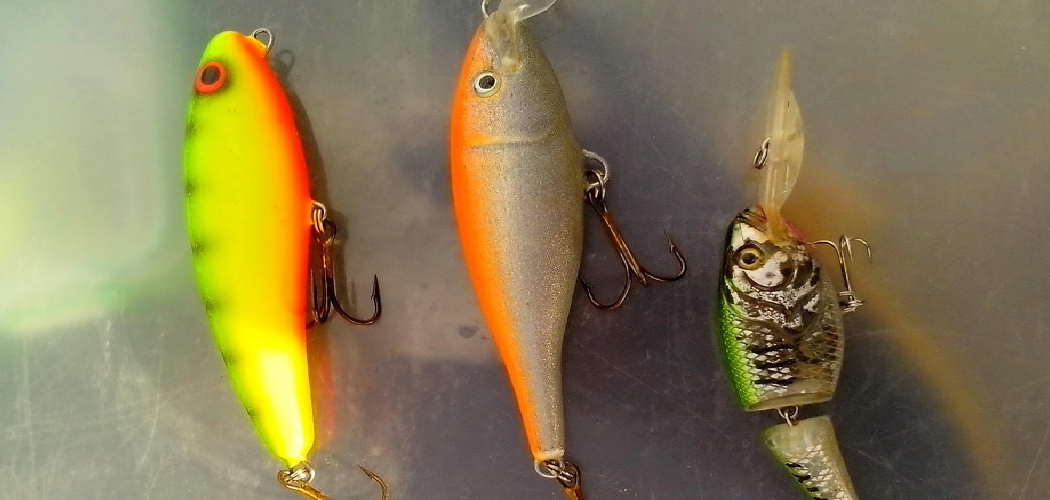
Picture this: you’re standing on the bank, casting the same soft plastic worm you always use, and the fish just aren’t biting. Sound familiar? That’s where crankbaits come in. These hard-bodied fishing lures cover water fast, trigger reaction strikes, and can turn a slow day into a memorable one. But if you’ve ever tossed one out and felt lost, you’re not alone.
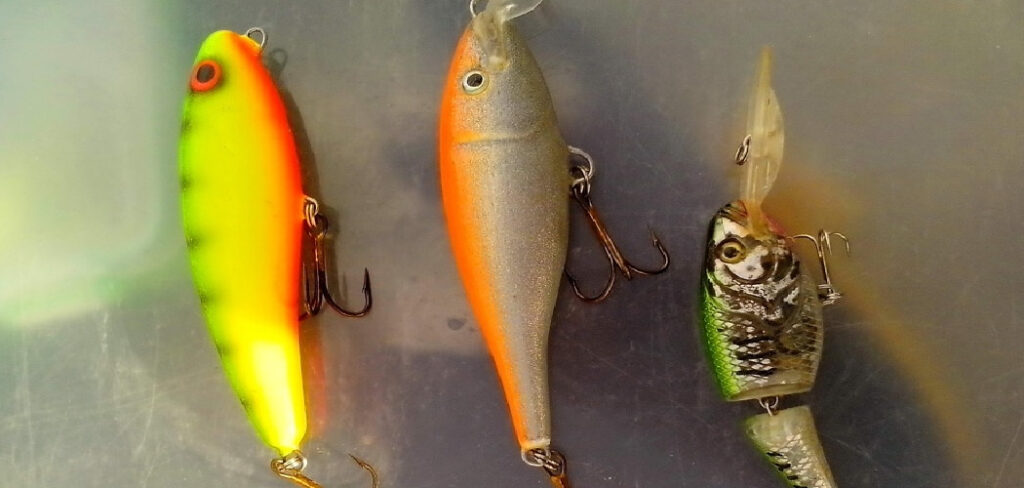
In this guide, you’ll learn exactly how to use crankbaits the right way. We’ll walk through the gear you need, a simple step-by-step process, and a few insider tips most beginners never hear. By the end, you’ll feel confident picking the right lure, working it through the water, and hooking more bass. Let’s get you catching fish.
What You’ll Need
Before you head out, grab these essentials. Keeping your setup simple makes the whole process smoother.
- A medium or medium-heavy rod (7 feet is a great all-around length)
- A baitcasting or spinning reel with smooth drag
- Monofilament or fluorocarbon line (10–14 lb test works well)
- A selection of crankbaits in different diving depths and colors
- Snap clips or a small loop knot for quick lure changes
- Needle-nose pliers for removing treble hooks safely
- A tackle box to keep everything organized
- Polarized sunglasses to spot structure and fish
Step-by-Step Guide on How to Use Crankbaits
Step 1: Choose the Right Crankbait for the Depth
Every crankbait is built to dive to a certain range. Some stay shallow, running just a foot or two below the surface. Others dig deep, reaching 15 feet or more. The size of the lip on the front tells you a lot: a bigger, longer lip means a deeper dive. Match your lure to where the fish are holding. If bass are hugging the bottom in eight feet of water, pick a medium-diver that reaches that zone.
Step 2: Pick a Color That Matches the Conditions
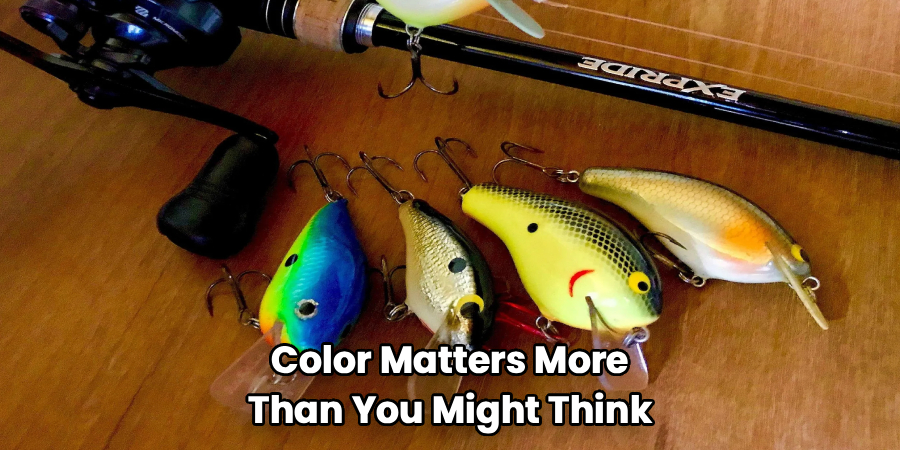
Color matters more than you might think. In clear water, natural shades like shad, silver, or bluegill patterns work best. When the water turns murky, switch to bright colors like chartreuse or firetiger so the fish can spot your bait. On overcast days, a bold color adds contrast. On sunny days, natural tones look more realistic. Keep a few options handy so you can experiment until something clicks.
Step 3: Tie On Your Lure Correctly
A solid connection keeps your bait swimming freely and prevents lost fish. Use a loop knot or a small snap so the crankbait can wobble naturally. Avoid tying your line tight to the eye, since that can kill the action. Double-check your knot by giving it a firm tug before casting. A weak knot is one of the most common reasons anglers lose that trophy bass. Take the extra ten seconds to get it right.
Step 4: Make an Accurate Cast
Aim your cast toward structure where fish like to hide. Think rocks, submerged logs, weed edges, or drop-offs. Use your thumb to feather the line as the lure lands, which helps you avoid tangles and lets the bait settle softly. A quiet entry won’t spook nearby fish. Try to cast past your target and reel the bait through the strike zone. Accuracy beats distance almost every time in bass fishing.
Step 5: Start Your Retrieve
Once the lure hits the water, point your rod tip down and begin reeling. The crankbait will start to dive and wobble as line comes in. Your retrieval speed changes everything here. A steady, medium pace works for most situations and gives the lure a natural swimming motion. Watch your rod tip and feel for the vibration that tells you the bait is running true. If you feel nothing, the lure may be fouled with weeds.
Step 6: Vary Your Retrieval Speed and Motion
Fish rarely react the same way twice, so mix things up. Try a slow crawl, then speed up for a few turns of the handle. Add a pause and let the lure float or suspend for a second. This stop-and-go motion often triggers strikes from lazy fish. You can also try a “burn and kill” method, reeling fast then stopping suddenly. Pay attention to what earns bites, then repeat that pattern.
Step 7: Bump Structure on Purpose
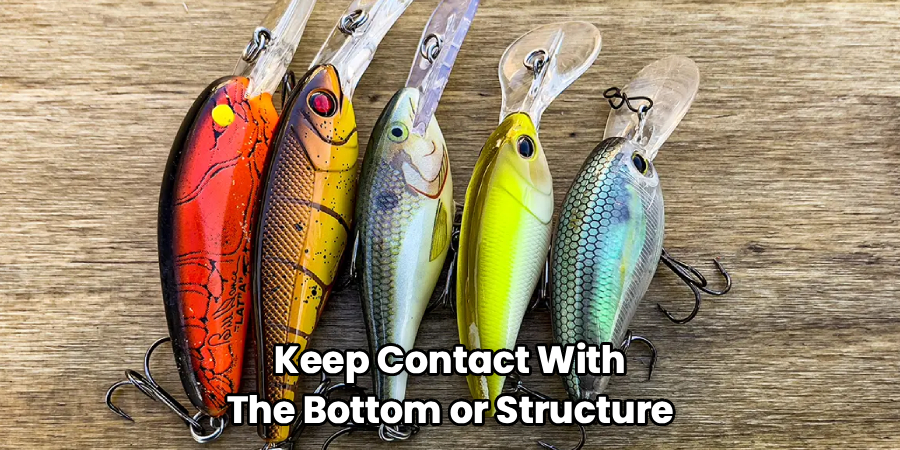
One of the best tricks is deflection. When your crankbait knocks into a rock, stump, or dock post, it changes direction suddenly. That erratic movement mimics a fleeing baitfish and drives predators wild. Don’t be afraid of hitting cover, since the lip protects the treble hooks from snagging most of the time. Keep contact with the bottom or structure whenever you can. Many of your biggest strikes will come right after a deflection.
Step 8: Set the Hook the Right Way
When a fish grabs your crankbait, resist the urge to yank hard. These lures use sharp treble hooks that often hook fish on their own. Instead, sweep the rod to the side and start reeling steadily. A big, aggressive hookset can rip the hooks free. Keep steady pressure and let the rod do the work. Once the fish is hooked, keep your line tight all the way to the net.
Step 9: Land and Release Carefully
As the fish nears you, keep your rod bent to absorb sudden runs. Use a net if you can, since treble hooks can pop loose during a hand grab. Wet your hands before touching the fish to protect its slime coat. Use your pliers to back the hooks out gently. If you plan to release it, do so quickly and support the fish in the water until it swims off strong.
Tips for Best Results
Ready to level up? These pointers go beyond the basics and can make a real difference on the water.
- Match the lip to the season. In cold water, slow down and use a lure with a tight, subtle wobble. In warm water, a wide, aggressive wobble action often draws more attention.
- Upgrade your treble hooks. Factory hooks can be dull. Swapping in sharp, quality replacements dramatically improves your landing rate.
- Use a fluorocarbon leader in clear water. It sinks and nearly disappears, letting the fish focus on the lure instead of the line.
- Fan-cast an area before moving on. Cover the water in a spread pattern so you present your bait from multiple angles before deciding a spot is empty.
- Keep your rod tip low on deep dives. This simple move lets your lure reach its full diving depth and stay in the strike zone longer.
FAQ Section
What Is the Best Retrieve Speed for Beginners?
Start with a slow, steady medium pace until you get a feel for how the lure swims. This gives you time to feel the vibration and stay in control. Once you’re comfortable, experiment by speeding up and adding pauses. Let the fish tell you what they prefer on any given day.
How Do I Stop My Lure From Getting Snagged?
Choose a lure that dives just to the depth you need, not deeper than the cover. The lip acts as a guard and helps deflect off rocks and wood. If you feel resistance, pause and let the buoyant lure float up over the obstacle. A quick snap of the rod can also free a lightly hung bait.
Can I Use Crankbaits in Cold Water?
Yes, and they can be very effective when you adjust your approach. Slow your retrieve way down and choose a lure with a tighter, subtler action. Cold fish move slowly, so give them time to catch up to your bait. A long pause near structure often earns a lazy but rewarding strike.
What Line Should I Use With These Lures?
Fluorocarbon is a popular choice because it sinks and helps your bait dive a little deeper. It’s also nearly invisible in clear water, which builds trust with wary fish. Monofilament floats and adds a bit of stretch, which can help keep hooks pinned. Try both and see which suits your fishing style.
Is It Safe to Handle Treble Hooks?
With a little care, yes. Always keep needle-nose pliers nearby to remove hooks quickly and safely. Wet your hands, control the fish, and avoid grabbing near the hooks when a fish is flopping. Pinching down the barbs also makes removal faster and gentler for both you and the fish.
Why Aren’t Fish Biting My Lure?
Start by checking that your bait is running straight and wobbling properly. If the action looks off, tune the line tie with gentle pliers. Then try changing color, depth, or retrieval speed until something works. Moving to a new spot with fresh structure can also turn your luck around fast.
Conclusion
Learning how to use crankbaits opens up a whole new way to catch fish, and it’s easier than it looks. Focus on matching your lure to the depth, varying your retrieve, and letting deflection do the work. Every trip teaches you something new, so don’t be afraid to experiment. If you haven’t picked one up yet, check out our picks above and grab a few to start experimenting. When you’re ready for more, explore our other fishing guides on the site and keep building your skills. Tight lines, and happy fishing.
