
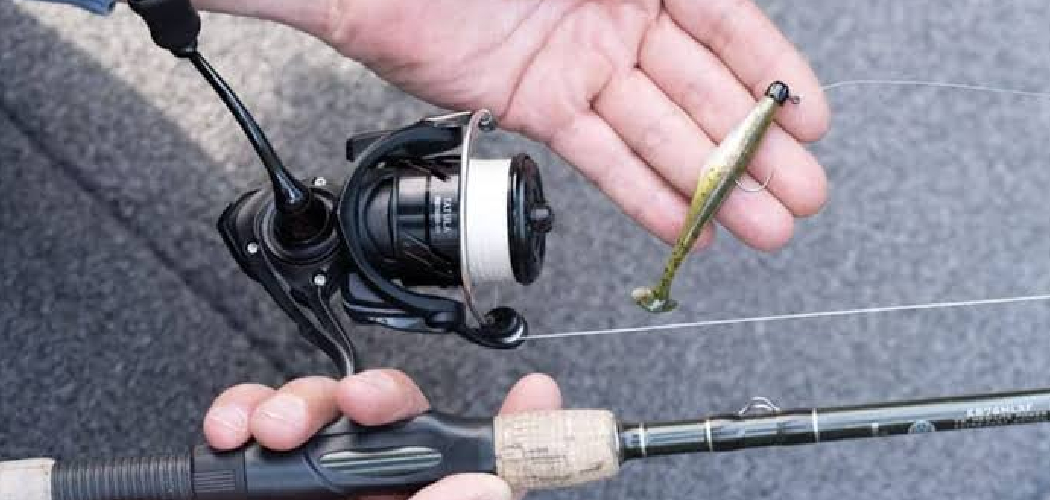
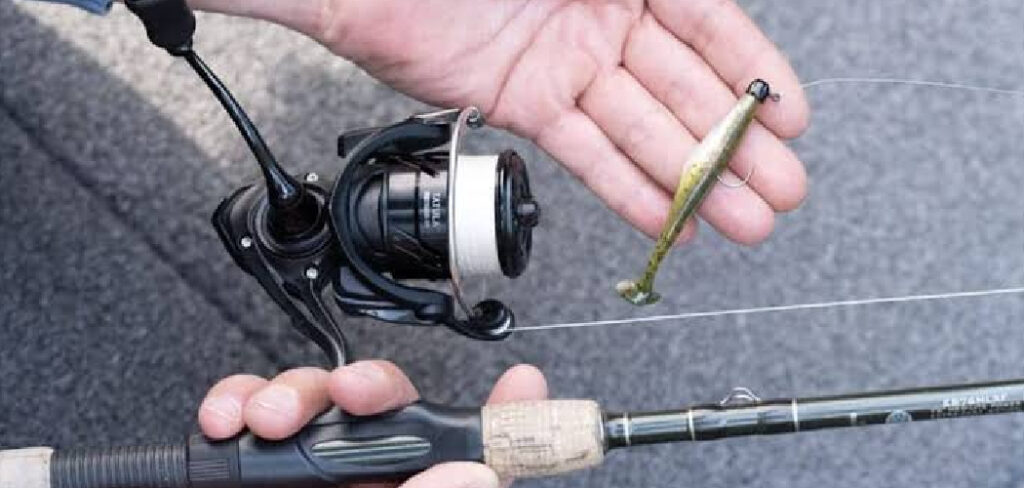
The water looks perfect. Fish are boiling near the surface, but everything you throw comes back untouched. Frustrating, right? That’s usually the moment anglers reach for swimbaits and finally start hooking the bigger fish that ignore smaller lures. These lifelike baits swim with a natural wobble that fools even wary, pressured fish.
But there’s a learning curve. Cast them wrong or reel them in too fast, and they lose all that magic. In this guide, you’ll learn exactlyHow to Use Swimbaits, a clear step-by-step process, and a few insider tricks most beginners miss. We’ll also tackle the questions new anglers ask most. By the end, you’ll know how to fish these baits with confidence and start landing the fish you’ve been missing.
What You’ll Need
Getting your setup right before you hit the water saves a lot of headaches. Here’s your quick checklist.
- A medium-heavy to heavy rod (7 feet or longer works great)
- A baitcasting or spinning reel with a smooth drag
- Braided or fluorocarbon fishing line (15–30 lb test)
- A selection of soft plastic lures with paddle tails
- A few hard-bodied and jointed swimbait options
- Weighted hooks and a couple of jig heads for rigging
- A pair of pliers for hook removal
- A tackle box to keep everything organized
- Polarized sunglasses to spot fish and structure
Step-by-Step Guide on How to Use Swimbaits
Follow these steps in order, and you’ll shorten the learning curve fast. The biggest beginner mistake? Reeling too quickly. Slow down, and everything else clicks into place.
Step 1: Pick the Right Bait for the Water
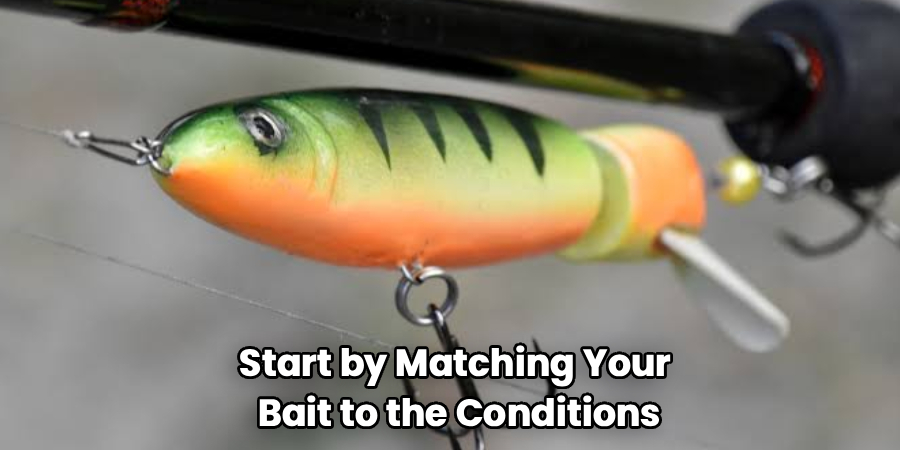
Start by matching your bait to the conditions. In clear water, natural colors like shad, silver, or green pumpkin look convincing. Murky or stained water calls for brighter, bolder shades that stand out. Size matters too, so match the length of your bait to the forage fish in the area. A good rule is to imitate what the local fish are already eating. Grab a mix of profiles so you can switch things up when the bite slows.
Step 2: Set Up Your Rod, Reel, and Line
A solid setup makes casting and hook sets much easier. Pair a medium-heavy rod with a reel that has a smooth, reliable drag. Spool up with braided line for long casts, or fluorocarbon when you want a low-visibility presentation. Heavier baits demand stronger gear, so don’t try to throw a big swimbait on a light finesse rod. Check your knot and drag before your first cast. A weak link here often means a lost fish later.
Step 3: Rig Your Bait Correctly
Proper rigging keeps your bait swimming straight and true. For soft plastic lures, thread the hook through the center so the paddle tail sits level. A weighted hook or jig head adds casting distance and gets the bait down to the right depth. Make sure the point exits cleanly and the body isn’t bunched up. A crooked rig spins and looks unnatural, which spooks fish fast. Take an extra ten seconds here, and your presentation improves instantly.
Step 4: Master Your Casting Technique
Smooth casts protect both your bait and your accuracy. Load the rod with a gentle, controlled motion instead of muscling the cast. Aim for edges of cover, points, and drop-offs where fish like to ambush prey. Let the bait settle for a second after it lands so it doesn’t tangle. If you’re using a baitcaster, feather the spool with your thumb to avoid backlash. Accuracy beats distance almost every time.
Step 5: Dial In Your Retrieve
This is where most anglers go wrong. Reel slowly and steadily so the tail thumps with a natural rhythm. A slow, consistent retrieve almost always outperforms a fast one, especially with a paddle tail bait. Watch your rod tip for that steady vibration, which tells you the bait is working correctly. If you feel no wobble, speed up slightly or check your rigging. Let the bait do the work while you stay patient.
Step 6: Add Movement and Pauses
Fish rarely chase a bait that swims in a perfectly straight line forever. Mix in occasional pauses to let the bait flutter and sink like a wounded fish. A quick twitch of the rod tip can trigger a reaction strike from a following fish. Try varying your speed and depth until you find what the fish want that day. These small changes often make the difference between a slow day and a great one. Stay observant and adjust as you go.
Step 7: Set the Hook and Fight the Fish
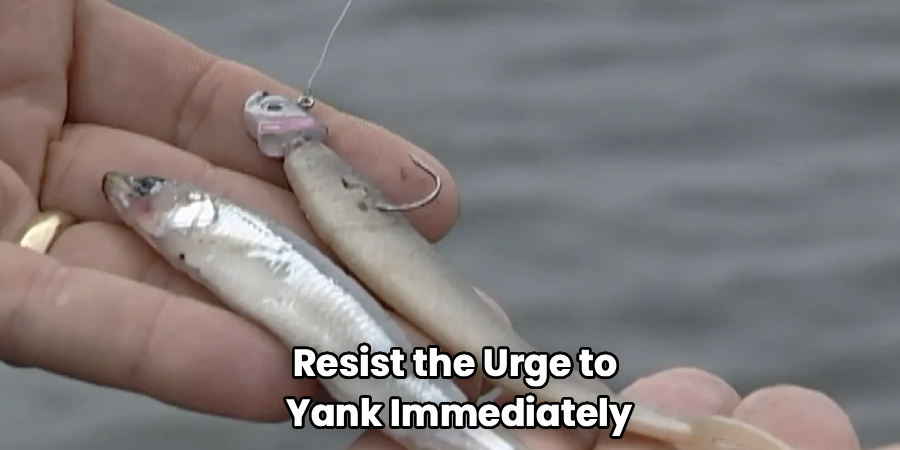
When a fish hits, resist the urge to yank immediately. Wait a split second to feel the weight, then sweep the rod firmly to drive the hook home. A strong, deliberate hook set matters, especially with a weighted hook and larger baits. Keep steady pressure and let your drag absorb the runs of a hard-fighting big bass. Avoid giving slack line, which lets fish throw the hook. Stay calm and let the rod do its job.
Step 8: Land and Release Carefully
Once the fish tires, guide it in smoothly rather than dragging it fast. Use a net for bigger fish to avoid losing them at the boat or bank. Wet your hands before handling to protect the fish’s slime coat. Remove the hook gently with pliers, especially if you plan to release it. If you’re keeping fish, follow your local limits and regulations. A careful landing keeps both you and the fish in good shape.
Step 9: Maintain Your Baits and Gear
A little care keeps your tackle performing for years. Rinse your gear with fresh water after each trip, especially if you fish saltwater. Store soft baits separately, since some materials react and melt together. Check your hooks for rust and sharpen or replace dull ones. Inspect your fishing line for nicks and re-tie often. Well-kept gear means fewer surprises when a big one finally bites.
Tips for Best Results
These extra pointers go beyond the basics and help you fish like a seasoned pro.
- Match the hatch obsessively. Watch what baitfish are jumping and pick a profile that mimics them in size and color. Fish key in on specific forage, and blending in gets more bites than standing out.
- Slow down more than feels natural. Beginners almost always retrieve too fast. When in doubt, slow your reel to a crawl and let the tail thump do the talking.
- Try a jointed swimbait around active fish. The extra body segment creates a wider, more lifelike side-to-side wobble. It shines when fish are chasing bait near the surface and want an easy, wounded target.
- Fish structure, not open water. Cast tight to weed edges, docks, rocks, and drop-offs where fish ambush prey. The closer you place your bait to cover, the better your odds.
- Upgrade your hooks. Stock hooks are often dull or weak. Swapping in sharp, quality weighted hooks improves your hook-up ratio dramatically on strong fish.
Frequently Asked Questions
What Size Swimbait Should a Beginner Start With?
Start with a mid-size bait around 3 to 5 inches, which suits most freshwater situations. This range mimics common baitfish and is easy to cast on standard gear. Larger profiles catch bigger fish but require heavier rods and more practice. Once you’re comfortable, experiment with different sizes to match the forage where you fish.
How Slow Should I Retrieve the Bait?
Slower than you think. Reel just fast enough to feel the tail thumping steadily against your rod tip. A slow, consistent retrieve looks the most natural and triggers the most strikes, especially in cooler water. If fish follow but don’t commit, try slowing down even more or adding a brief pause.
Can I Use These Baits in Both Clear and Muddy Water?
Absolutely, you just adjust your color choices. In clear water, natural shades like shad and green pumpkin work best because fish get a good look. In murky water, brighter or darker colors create a stronger silhouette that fish can find. Matching your bait to visibility conditions makes a real difference in your catch rate.
What Line Works Best for Fishing These Baits?
Braided fishing line offers long casts and strong hook sets, which helps with heavier baits. Many anglers add a fluorocarbon leader for a low-visibility connection near the bait. Fluorocarbon alone works well in clear water where fish are line-shy. Choose 15 to 30 pound test depending on your bait size and the fish you’re targeting.
Why Isn’t My Bait Swimming Straight?
Usually it’s a rigging issue. Make sure your hook runs straight through the center of the body so the paddle tail sits level. A bait threaded off-center will spin, roll, or wobble unnaturally and spook fish. Re-rig it carefully and check the action with a short test cast near the bank before fishing.
Are These Baits Good for Catching Big Bass?
Yes, they’re one of the top choices for targeting big bass. Larger predatory fish key on sizable baitfish, and a well-worked swimbait perfectly imitates that meal. Fishing near structure with a slow retrieve gives you the best shot at a trophy. Just be ready with strong gear and a solid hook set when that big fish strikes.
Conclusion
Learning to fish swimbaits really does open the door to bigger, better catches once you dial in the details. Match your bait to the water, rig it straight, slow down your retrieve, and set the hook with confidence. No more watching fish ignore your lures while everyone else hooks up. If you haven’t stocked your tackle box yet, check out our recommended products above to find trusted, fish-catching options. Ready for more? Browse our other fishing and gear guides for hands-on tips you can put to work on your next trip.
