
You pull an old screw out of a hinge, and there it is: a crusty, orange-brown mess that won’t budge or grip anymore. Maybe you found a jar of hardware in the garage, and half of it looks like it survived a shipwreck. Before you toss those fasteners in the trash, know this: learning how to clean rust off screws is easier than you think, and it can save you a surprising amount of money.
In this guide, you’ll discover the simple supplies you need, a clear step-by-step process, and a few pro tricks that make rust removal almost effortless. We’ll cover vinegar soaks, wire brushing, and how to protect your screws so they stay clean for years. Let’s bring those old fasteners back to life.
What You’ll Need
Gather everything before you start so the job flows smoothly. All of these items are cheap and easy to find at home or the hardware store.
- White vinegar (or lemon juice as a backup)
- A small bowl or jar for soaking
- Baking soda
- A wire brush or a stiff-bristle toothbrush
- Fine-grit sandpaper or steel wool
- Work gloves and safety glasses
- Clean rags or paper towels
- A bucket of warm, soapy water
- A screwdriver or drill (to test the threads afterward)
- Machine oil, WD-40, or a rust inhibitor
- Aluminum foil (optional, for light rust)
Lay it all out on your workbench. A little prep keeps you from hunting for supplies mid-project.
9 Step-by-Step Guide on How to Clean Rust Off Screws
Step 1: Sort and Inspect Your Screws
Start by spreading out your corroded fasteners and taking a good look. Separate the lightly speckled ones from the heavily rusted screws that are pitted or flaking. This helps you match each screw to the right cleaning method. Lightly rusted screws often need only a quick scrub, while badly corroded ones need a longer soak.
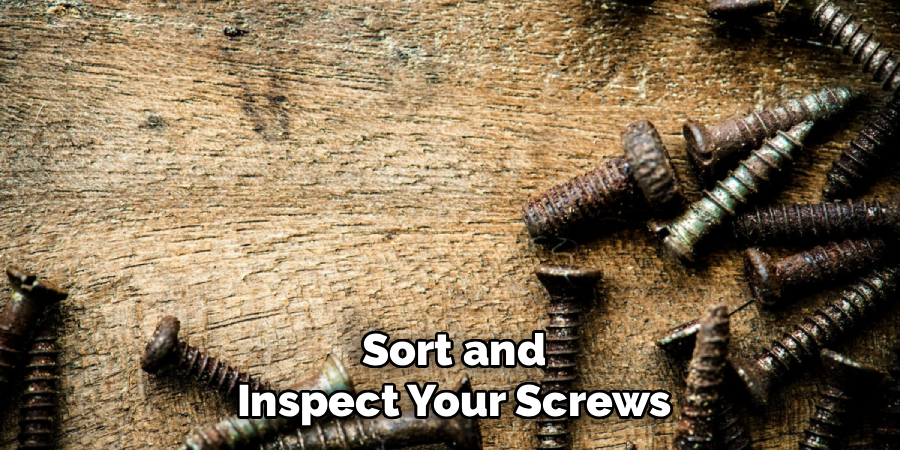
Toss any screw that’s crumbling, deeply pitted, or missing threads. A weak fastener can snap under load and cause bigger problems later. Sorting first saves you time and effort down the line.
Step 2: Knock Off Loose Rust and Debris
Before any soaking, brush away the flaky surface rust and grime. Use a wire brush or an old toothbrush to scrub each screw, paying attention to the threads and head. This first pass removes the loose stuff so your vinegar soak can reach the metal underneath. Work over a trash can or an old rag to catch the debris.
Wear your gloves and safety glasses here, since rust flakes love to fly. Don’t scrub too hard yet, because you’re just clearing the surface. The real deep clean comes next.
Step 3: Prepare a Vinegar Soak
White vinegar is your best friend for rust removal. Pour enough into a small bowl or jar to fully cover your screws. The mild acid dissolves rust without harming the underlying steel. If you don’t have vinegar, lemon juice works in a pinch, though it’s a little slower.
Drop the screws in and make sure each one is submerged. Give the jar a gentle swirl to release trapped air bubbles. This simple soak does most of the heavy lifting for you.
Step 4: Let the Screws Soak
Patience pays off here. Let lightly rusted screws sit for about one to three hours, while heavily corroded fasteners may need overnight. Check on them every so often and give the jar a swirl to keep the acid working evenly. You’ll notice the vinegar turning cloudy and orange as it lifts the rust.
Avoid soaking longer than 24 hours, since too much time can start pitting the metal. Set a timer so you don’t forget. When the rust looks loose and soft, you’re ready for the next step.
Step 5: Scrub Away the Loosened Rust
Pull the screws out of the vinegar and grab your wire brush or steel wool. The softened rust should now scrub off with much less effort. Work along the threads carefully so you don’t strip them, and use a toothbrush for tight grooves. Fine-grit sandpaper helps smooth stubborn spots on the screw head.
Rinse each screw under warm water as you go to see your progress. If some rust clings on, dip the screw back in the vinegar for another 30 minutes. Most metal screws come clean with one good round of scrubbing.
Step 6: Neutralize the Acid
Vinegar keeps working even after you pull the screws out, which can cause flash rust if you skip this step. Mix a spoonful of baking soda into a bowl of water to create a neutralizing bath. Drop the screws in for a few minutes to stop the acid in its tracks. You might see a little fizzing, which means it’s doing its job.
This step is easy to overlook, but it makes a real difference. Skipping it often leads to a fresh coat of rust within hours. Take the extra minute to protect your hard work.
Step 7: Rinse and Dry Thoroughly
Give the screws a final rinse in clean, warm water to wash off any baking soda residue. Then dry them completely with a clean rag or paper towel. Moisture is the number one cause of rust, so don’t leave a single drop behind. Spread the screws out on a dry towel and let air finish the job.
For a faster dry, use a hairdryer on low or set them in the sun. Trapped water in the threads is sneaky, so double-check those grooves. Bone-dry screws resist new corrosion far better.
Step 8: Protect Against Future Rust
Clean screws rust again fast if you leave them bare. Wipe each one with a light coat of machine oil, WD-40, or a dedicated rust inhibitor. This thin barrier keeps moisture and oxygen away from the metal. A little goes a long way, so buff off the excess with a rag.
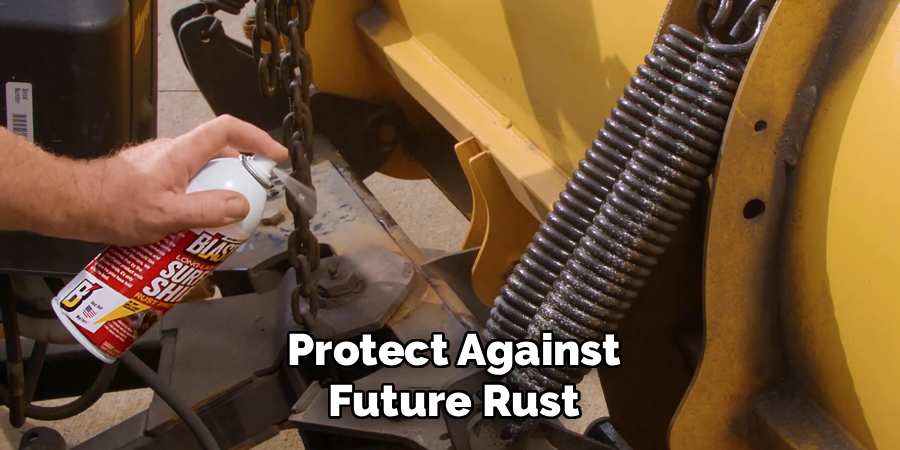
Store your treated screws in a dry container, ideally with a silica gel packet inside. Damp garages and basements invite corrosion, so a sealed jar helps. This final touch keeps your fasteners ready to use whenever you need them.
Step 9: Test the Threads
Before you put the screws back to work, make sure they still function. Thread each one into a matching nut or a scrap piece of wood to check the grip. If it turns smoothly and holds tight, you’re good to go. A screw that binds or slips may have damaged threads from heavy corrosion.
Set aside any that don’t pass the test and replace them. It’s better to catch a weak fastener now than after it fails in your project. This quick check gives you real peace of mind.
Tips for Best Results
These extra habits take your rust removal from good to great.
- Try the foil trick for light rust. Crumple a piece of aluminum foil, dip it in water, and rub it over lightly rusted screws. The foil acts like a gentle abrasive that lifts surface spots without scratching. It’s perfect for quick touch-ups when you skip the full soak.
- Warm the vinegar for faster results. Slightly heated vinegar dissolves rust quicker than cold. Set your jar in a bowl of warm water for a natural boost. Never microwave it directly, though, since fumes can build up fast.
- Batch-clean your hardware. If you’re soaking one jar of corroded fasteners, throw in your rusty bolts, nuts, and washers too. You’ll clean a whole drawer of metal screws in one pass. It saves both time and vinegar.
- Keep a rust inhibitor on your workbench. A quick wipe after every use stops corrosion before it starts. This simple habit means you rarely have to deep-clean again. Prevention beats a full soak every time.
- Store screws off concrete floors. Concrete holds moisture and pulls it into nearby metal. Keep your containers on a shelf instead. This small change makes a big difference in humid spaces.
Frequently Asked Questions
What Is the Best Homemade Solution to Clean Rust Off Screws?
White vinegar is the top choice for most people because it’s cheap, safe, and effective. Just soak your screws for a few hours, then scrub and rinse. Lemon juice mixed with a little salt works well too, especially for light surface rust. Both dissolve corrosion without damaging the steel underneath.
How Long Should I Soak Rusty Screws in Vinegar?
Lightly rusted screws usually need one to three hours in a vinegar soak. Heavily corroded fasteners may need to sit overnight, up to about 12 hours. Check them periodically and scrub to test progress. Avoid going past 24 hours, since too long can start pitting the metal.
Can I Reuse Screws After Removing the Rust?
Yes, as long as the threads are still intact and the screw isn’t deeply pitted. After cleaning, thread each screw into a nut or scrap wood to test the grip. If it turns smoothly and holds tight, it’s safe to reuse. Toss any fastener that’s crumbling, weak, or missing threads.
Is It Safe to Use a Drill With a Wire Brush on Screws?
It can work, but use caution and low speed to avoid stripping the threads. A wire wheel on a drill removes rust fast from screw heads and larger surfaces. Always wear safety glasses, since it flings debris everywhere. For delicate threads, hand scrubbing gives you far more control.
How Do I Stop Screws From Rusting Again?
Dry them completely, then apply a thin coat of oil, WD-40, or a rust inhibitor. Store them in a sealed container with a silica gel packet to absorb moisture. Keep the container off concrete floors and out of damp spaces. A quick wipe after each use keeps corroded fasteners from ever coming back.
Will Vinegar Damage the Metal on My Screws?
Vinegar is gentle enough for short soaks and won’t harm solid steel screws. The trouble starts only if you leave them in far too long, which can cause pitting. Always neutralize the acid with a baking soda bath afterward. That one step protects the metal and prevents flash rust.
Conclusion
Rusty hardware doesn’t have to head straight for the trash. Now that you know how to clean rust off screws, you can soak, scrub, and protect them in an afternoon. Remember the key steps: knock off loose rust, soak in vinegar, neutralize the acid, dry fully, and add a protective coat. If you haven’t stocked up on a good wire brush, rust inhibitor, or storage jars yet, check out our recommended picks above. Browse our other DIY maintenance guides to keep all your tools and hardware in top shape.
