
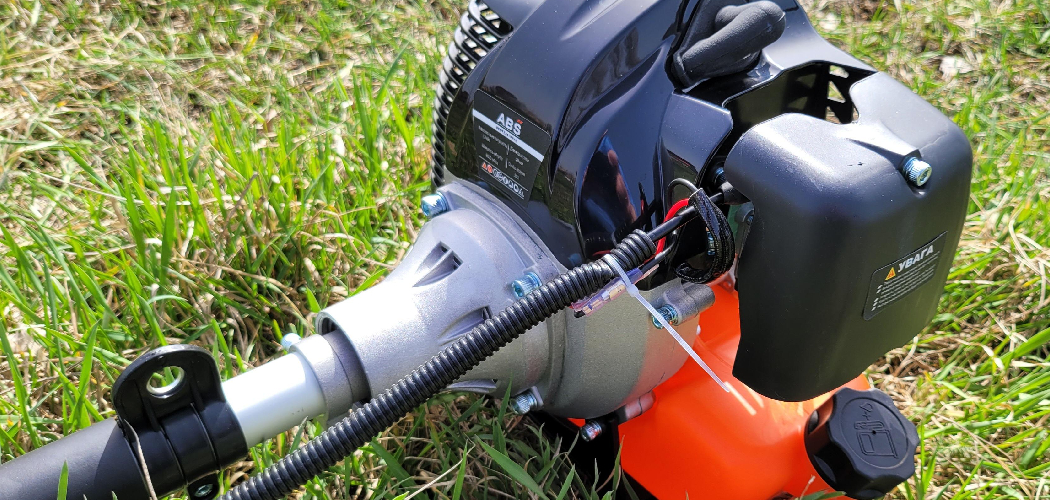
Fall leaves are piling up on your driveway, and you finally grab your Echo blower to clear the mess. You give the cord a yank, and… nothing. It sputters, stalls, or refuses to fire up at all. Frustrating, right? Learning how to start Echo leaf blower models the right way saves you time, spared knuckles, and a whole lot of head-scratching.
The good news is that Echo blowers are built to be reliable once you know the proper sequence. In this guide, you’ll learn exactly how to fire yours up, whether it’s a cold morning start or a quick restart after a break. We’ll walk through every step together, share a few insider tricks, and answer the questions people ask most.
What You’ll Need
Before you pull that cord, gather a few basics. Having everything ready makes the whole process smoother.
- Your Echo leaf blower (backpack or handheld model)
- Fresh fuel — the correct two-stroke fuel mix (usually 50:1) for gas models
- A clean, flat surface to set the blower down safely
- Safety glasses and ear protection
- Work gloves for a better grip
- A rag to wipe away dirt or spilled fuel
- Owner’s manual (handy for model-specific settings)
Take a quick look at your blower before starting. A little prep now prevents headaches later.
9 Step-by-Step Guide on How to Start Echo Leaf Blower
Follow these steps in order. Each one builds on the last, so don’t skip ahead.
Step 1: Check the Fuel Level
Start by making sure your blower actually has fuel. It sounds obvious, but an empty tank is the number one reason these machines won’t start. For gas models, use a fresh two-stroke fuel mix at the ratio listed in your manual, usually 50:1.
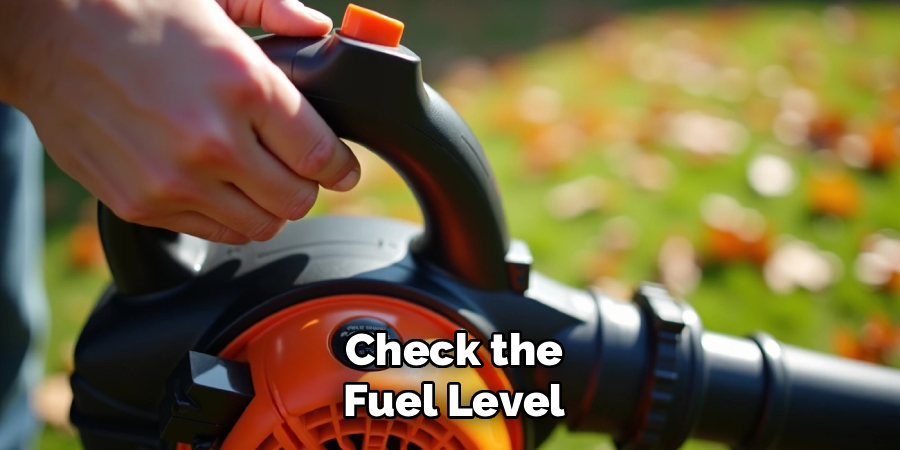
Old or stale fuel gums up the engine and causes rough starts. If your blower has been sitting for months, drain the tank and refill it with a fresh batch. Never use straight gasoline, or you’ll damage the two-stroke engine fast.
Step 2: Set the Blower on a Flat Surface
Place your Echo blower on solid, level ground before you do anything else. This gives you stability and keeps the unit from tipping when you pull the cord. Trying to start it while holding it in the air is awkward and unsafe.
For backpack models, you can rest it on the ground or brace it against your leg. Keep the air intake and vents clear of debris. A stable base means a cleaner, safer pull every time.
Step 3: Move the Choke to the Closed Position
The choke is your best friend during a cold start. When the engine is cold, move the choke lever to the “closed” or “full choke” position. This restricts airflow and enriches the fuel mix, which helps the engine catch quickly.
You’ll usually see clear symbols on the lever showing open and closed positions. For a warm start, you can often skip full choke and go to the half or run position instead. Getting the choke right is the single biggest factor in a smooth start.
Step 4: Prime the Engine With the Primer Bulb
Look for the small rubber primer bulb near the carburetor. Press it slowly and firmly several times, usually until you see fuel filling the bulb. Most Echo models need around 4 to 6 presses.
Priming pulls fuel into the carburetor so the engine has something to burn on the first pull. Don’t overdo it, though. Pumping the primer bulb too many times can flood the engine, which leads to a whole new set of problems.
Step 5: Set the Throttle or Ignition Switch to On
Before pulling the cord, flip the ignition switch to the “on” or “I” position. Some Echo blowers have a stop switch that sits in the “off” spot by default, and forgetting this step trips up a lot of people. No power means no spark, no matter how hard you pull.
On models with a throttle lock, set it to the start position now. This gives the engine a bit of extra fuel during ignition. Double-check the switch before moving on, since it’s an easy thing to miss.
Step 6: Pull the Starter Cord Firmly
Now for the moment of truth. Grip the pull cord handle, brace the blower, and give it a quick, firm pull. Don’t yank it wildly or pull it to the very end of the rope, as that can snap the cord over time.
Use short, confident pulls rather than slow, weak tugs. It may take two to four pulls for a cold engine to sputter and start. If it pops once but doesn’t stay running, you’re close, so keep going with the next step.
Step 7: Open the Choke Gradually
Once the engine fires up or coughs, move the choke to the half position. Give the cord another pull if needed. As the engine warms and runs steadily, move the choke all the way to the “open” or “run” position.
Leaving the choke closed too long will flood the engine and stall it. This gradual opening lets the engine transition from a rich cold-start mix to normal running. Listen to the engine, and it’ll tell you when it’s ready.
Step 8: Let the Engine Warm Up
Give your blower a minute to idle and warm up before you start working. A cold two-stroke engine runs rough for the first several seconds, so patience pays off. Squeeze the throttle gently a couple of times to help it settle.
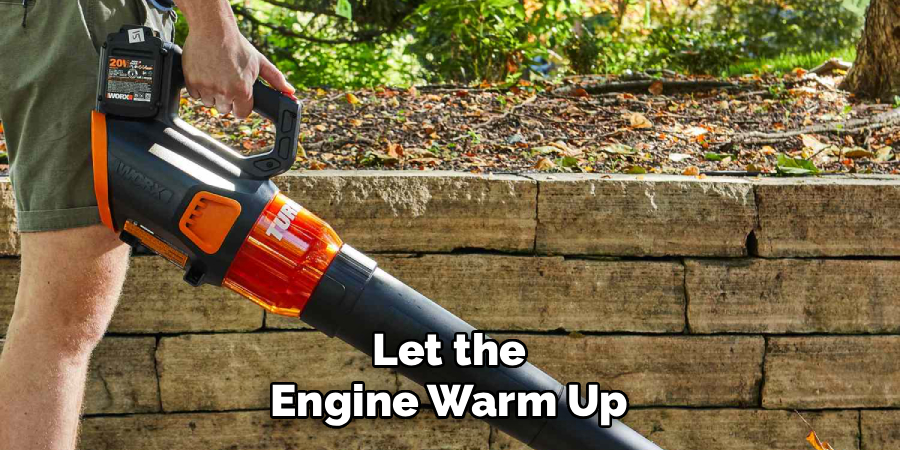
Rushing straight into heavy blowing can stall a cold engine. Once it idles smoothly and responds to the throttle, you’re good to go. Now you know how to start Echo leaf blower units like a pro.
Step 9: Restart Warm With a Quick Sequence
If you stop for a break and need a warm start, the process is shorter. Skip full choke, leave the switch on, and give the primer bulb a couple of gentle presses if needed. Then pull the cord with the choke in the run position.
Warm engines fire up fast because fuel is already in the carburetor. If it doesn’t catch after a few pulls, add a touch of choke. This quick sequence saves you effort throughout your yard work.
Tips for Best Results
These extra pointers go beyond the basics and can make a real difference.
- Mix fuel fresh and label it. Two-stroke fuel breaks down within about 30 days. Write the mix date on the container so you never pour in stale gas that clogs the carburetor.
- Store it empty during the off-season. Run the blower dry before long-term storage. This clears old fuel from the lines and protects the two-stroke engine from gummed-up starts next spring.
- Clean the air filter regularly. A dirty filter chokes airflow and makes starting harder. Pop it out, tap off the debris, and replace it when it looks worn.
- Check the spark plug once a season. A fouled or worn spark plug is a common reason a blower won’t fire. Swapping it takes minutes and often fixes stubborn starting issues.
- Don’t over-prime. If the engine smells strongly of fuel and won’t catch, you’ve likely flooded it. Wait ten minutes, set the choke to open, and pull the cord to clear it out.
FAQ Section
Why Won’t My Echo Leaf Blower Start Even With Fuel?
If your tank is full but the blower still won’t fire, check the spark plug and air filter first. A fouled plug or clogged filter blocks the ignition or airflow the engine needs. Stale fuel is another common culprit, so drain and refill with a fresh mix. If it still won’t start, you may have flooded it during priming.
How Do I Do a Cold Start on My Echo Blower?
For a cold start, set the choke to the closed position and press the primer bulb about four to six times. Flip the ignition switch on, then pull the starter cord firmly. Once the engine coughs or catches, move the choke to half, then fully open it as it warms. This sequence gives the engine the rich fuel mix it needs to fire in cold weather.
Can I Use Regular Gas in My Echo Leaf Blower?
No, gas Echo blowers use a two-stroke engine that needs a fuel and oil mix, typically 50:1. Straight gasoline will damage the engine and void your warranty. Always mix the correct ratio using quality two-stroke oil. Check your owner’s manual to confirm the exact ratio for your model.
How Many Times Should I Pull the Cord?
For a cold engine, expect two to four firm pulls before it starts. A warm engine usually fires in just one or two pulls. If you’re pulling more than five or six times with no response, stop and check the choke, primer, and ignition switch. Repeated hard pulls without results often mean something in the sequence was missed.
What Should I Do If I Flood the Engine?
A flooded engine smells strongly of fuel and won’t catch. Move the choke to the fully open position, set the throttle to full, and pull the cord several times to clear the excess fuel. If that doesn’t work, wait about ten minutes and try again. Avoid pumping the primer bulb, since that only adds more fuel.
Is It Safe to Start the Blower Indoors?
No, never start your Echo blower inside a garage, shed, or any enclosed space. Two-stroke engines produce carbon monoxide, which is dangerous in confined areas. Always start and run your blower outdoors with good airflow. Keep it away from doors and windows so exhaust doesn’t drift inside.
Conclusion
Starting your Echo blower doesn’t have to be a battle. Once you master the choke, primer bulb, and pull cord sequence, it becomes second nature. Fresh fuel and a little routine maintenance keep those starts quick and smooth, cold morning or not.
Remember the key takeaway: follow the steps in order, and be patient with a cold engine. If you haven’t picked the right model yet, check out our recommended picks above. Ready to keep your yard in top shape? Explore our other guides for more handy tool tips and tricks.
