
Ever pulled soggy dumplings out of the microwave and wished for that fresh, restaurant-style texture instead? Or maybe you bought a bamboo steamer on a whim, and now it’s sitting in a cupboard, staring at you. You’re not alone. This simple stacked basket is one of the oldest and most rewarding cooking tools out there, and it’s easier to use than you’d think.
In this guide, you’ll learn How to Use a Bamboo Steamer, prep your food, and get perfectly cooked dumplings, veggies, and buns every time. We’ll cover the right water level, how to keep food from sticking, and a few tricks the pros use. By the end, you’ll steam like you’ve been doing it for years. Let’s get that steaming basket working.
What You’ll Need
Round up your gear before you start. Having everything ready makes cooking smooth and stress-free.
- A bamboo steamer (single or multi-tier)
- A wok or a wide, shallow pot that fits the basket
- Parchment liner, cabbage leaves, or a heatproof plate
- Enough water to create steam
- Tongs or oven mitts for handling hot baskets
- The food you want to cook (dumplings, buns, veggies, fish)
- A lid (the woven bamboo lid usually comes with the set)
- A kitchen towel for cleanup
Step-by-Step Guide on How to Use a Bamboo Steamer
Step 1: Soak the Basket Before First Use
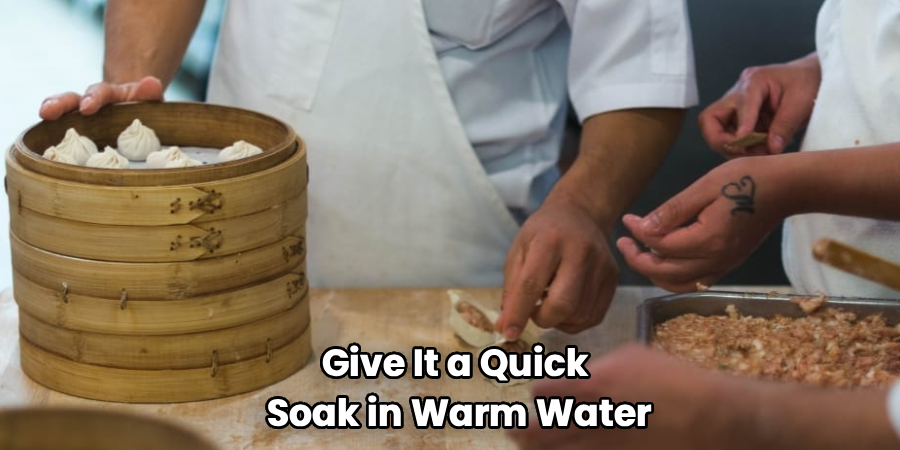
If your steamer is brand new, give it a quick soak in warm water for about 30 minutes. This helps the wood absorb moisture so it won’t scorch or crack over the heat. It also rinses off any dust or residue from packaging. Once soaked, let it drip-dry for a minute before you load it up. You only need to do a full soak the first time, though a light rinse before each use never hurts. Skipping this step can leave the bamboo dry and prone to burning.
Step 2: Choose the Right Pot or Wok
Your steaming basket needs a snug base to rest on. A wok is the classic choice because its curved sides cradle the basket perfectly. If you don’t have one, a wide pot works too, as long as the basket sits on the rim without falling in. The basket should rest above the water, not touch it. If the fit is loose, the steam can escape around the edges instead of rising through your food. A good seal means faster, more even cooking.
Step 3: Add the Right Amount of Water
Pour water into your wok or pot until it sits about an inch or two below the basket. You want enough to produce steady steam heat for the whole cooking time, but not so much that it splashes up into the food. Bring it to a gentle boil before the basket goes on. Keep an eye on the level during longer cooks, since water can boil away. A common mistake is letting the pot run dry, which scorches both your food and the bamboo. Top up with hot water if you need to.
Step 4: Line the Basket to Prevent Sticking
Nobody likes dumplings that tear when you lift them out. Line the bottom of each tier with parchment liner, a few cabbage leaves, or thin slices of carrot. These create a barrier between the food and the woven bamboo. If you use parchment, poke a few holes so steam can still flow through. Cabbage and lettuce leaves add a nice flavor bonus and are fully compostable after. Never skip the liner with sticky foods like dim sum or bao buns, or you’ll be scraping them off.
Step 5: Arrange Your Food With Space to Breathe
Place your food inside, leaving a little gap between each piece. Steam needs room to circulate, and crowded pieces cook unevenly or fuse together. Dumplings especially love their personal space, since they puff up as they cook. For veggies, spread them in a single layer for the fastest, most even results. If you’re cooking a lot, that’s exactly what the stacked tiers are for. Load the basket loosely and you’ll get better texture across the board.
Step 6: Stack the Tiers and Cover With the Lid
Set the loaded basket over your simmering water and add any extra tiers on top. Place the woven lid on last, since it lets a little steam escape and stops condensation from dripping straight onto your food. Denser foods that need longer cooking should go on the bottom tier, closest to the heat. Quicker items like leafy greens do well up top. This layered setup lets you cook a whole meal at once. Just remember the bottom tier always cooks a touch faster.
Step 7: Steam Until Perfectly Cooked
Now let the steam do its work. Cooking times vary, so check your recipe, but most dumplings need 8 to 12 minutes and veggies around 5 to 10. Resist the urge to lift the lid too often, since every peek releases heat and slows things down. When you do check, tilt the lid away from you to avoid a face full of steam. Food is ready when it looks glossy, feels tender, or reaches the right internal temperature for meats. Trust the process and you’ll nail the timing quickly.
Step 8: Remove, Serve, and Handle With Care
The whole basket gets hot, so use tongs or mitts to lift it off the heat. Many people serve straight from the steamer, since the bamboo keeps food warm and looks beautiful on the table. Let it sit for a minute so any dripping settles. Peel food gently off the liner to keep it intact. If something sticks despite the liner, a thin spatula helps it release. Serve right away for the best texture and flavor.
Step 9: Clean and Dry It Properly
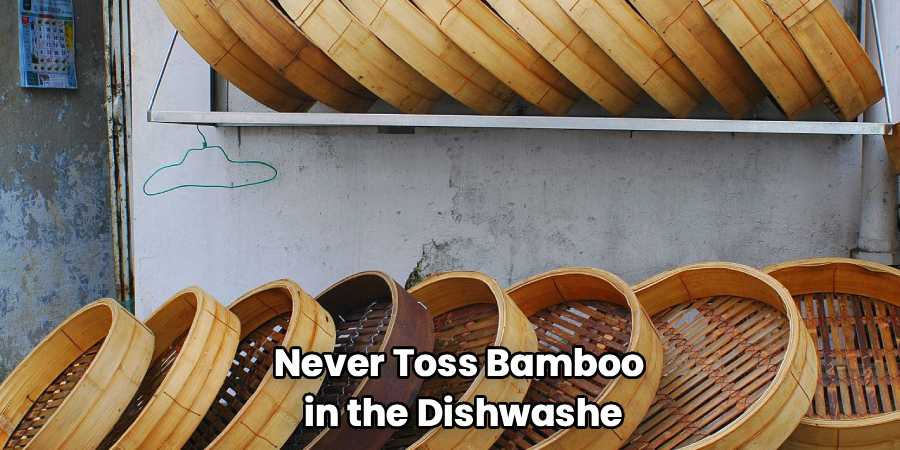
Never toss bamboo in the dishwasher or leave it soaking. Instead, rinse it under warm water and scrub gently with a soft brush, skipping the soap when you can. Soap soaks into the wood and can leave a lingering taste. Wipe away any stuck-on bits, then let the basket air-dry completely before storing. Damp bamboo invites mold, so make sure it’s bone dry. Store it in a well-ventilated spot rather than a sealed cupboard. Treat it kindly and it’ll last for years.
Tips for Best Results
Want to go from good to great? These habits make a real difference.
- Use cabbage leaves as a natural liner. They stop sticking, add subtle flavor, and save you from buying disposable parchment. Fresh napa or savoy leaves work beautifully and cost next to nothing.
- Keep a kettle of hot water nearby. During longer cooks, you can top up the pot without dropping the temperature. Cold water stalls the steam and throws off your timing.
- Don’t overload the tiers. It’s tempting to cram everything in, but steam heat needs airflow to work. Two lightly packed tiers beat one crowded one every single time.
- Rub the wood with a little oil occasionally. A light coat of food-safe oil after it’s fully dry helps prevent cracking over time. Think of it like seasoning a cutting board.
- Match tier order to cooking time. Put dense proteins on the bottom and delicate greens up top. This little trick lets one setup handle a full multi-course meal.
Frequently Asked Questions
How Do I Stop Food From Sticking to the Bamboo?
Line the basket before you add anything. Parchment liner with a few holes punched in it works great, and so do cabbage or lettuce leaves. These create a barrier while still letting steam pass through. For extra-sticky items like dim sum, the liner is non-negotiable.
Can I Put a Bamboo Steamer Directly on the Stove?
No, you should never set it right on a burner or electric coil. The dry heat will scorch and crack the wood almost instantly. Always rest it over a wok or pot of simmering water so it cooks with gentle steam. The water is what does the cooking, not direct flame.
How Much Water Should I Use?
Fill your pot or wok so the water sits about one to two inches below the basket. You want enough for steady steam without it touching or splashing the food. Bring it to a boil first, then lower to a simmer. Check the level during long cooks and add hot water as needed.
Is It Safe to Wash a Bamboo Steamer With Soap?
It’s best to skip the soap. Bamboo is porous and soaks up detergent, which can leave a soapy taste in your next meal. A rinse under warm water with a soft brush usually does the job. Just be sure to dry it fully before storing to keep mold away.
What Can I Cook Besides Dumplings?
So much more than you’d expect. Steamed veggies, fish fillets, bao buns, chicken, rice, and even custards all turn out beautifully. The gentle heat keeps food moist and preserves nutrients better than boiling. Once you get comfortable, you’ll find yourself steaming all kinds of meals.
How Long Does a Bamboo Steamer Last?
With proper care, it can last many years. The keys are simple: don’t soak it endlessly, keep it out of the dishwasher, and always dry it completely before storing. An occasional light rub of food-safe oil helps prevent cracks. Treat it well and it becomes a lifelong kitchen staple.
Conclusion
Getting great results with a bamboo steamer really comes down to a few basics. Keep water at the right level, line your baskets, give food room to breathe, and dry the wood well after each use. Take it slow at first, and soon you’ll be turning out tender dumplings and crisp veggies without a second thought. That fresh, restaurant-quality texture is well within reach. If you haven’t picked one up yet, check out our product picks above for solid options at every budget. Ready for more? Browse our other kitchen guides for hands-on tips that make cooking easier.
