


Nicked yourself again with a cheap cartridge razor, or tired of tossing plastic blades every week? Maybe you crave that smooth, barbershop-close shave you can’t seem to get at home. Learning to use a straight razor solves both problems. It gives you the closest shave of your life while cutting down on waste and long-term cost.
In this guide, you’ll learn How to Use a Straight Razor, hold the blade correctly, and glide it at the right angle. We’ll cover lather, stretching your skin, cleanup, and a few tricks that keep you cut-free. It looks intimidating at first, I know. But with a little patience and the right technique, you’ll shave like a seasoned pro. Let’s get you set up for a clean, confident shave.
What You’ll Need
Gather your gear before you start. Having everything within reach makes the whole routine calm and smooth.
- A quality straight razor (carbon steel or stainless)
- A leather strop for keeping the edge sharp
- A shaving brush (badger or synthetic)
- Quality shaving soap or cream
- A lather bowl or mug
- Hot water and a clean sink
- A soft towel
- Alum block or styptic pencil for small nicks
- Aftershave balm or moisturizer
- A mirror with good lighting
Step-by-Step Guide on How to Use a Straight Razor
Step 1: Soften Your Beard First
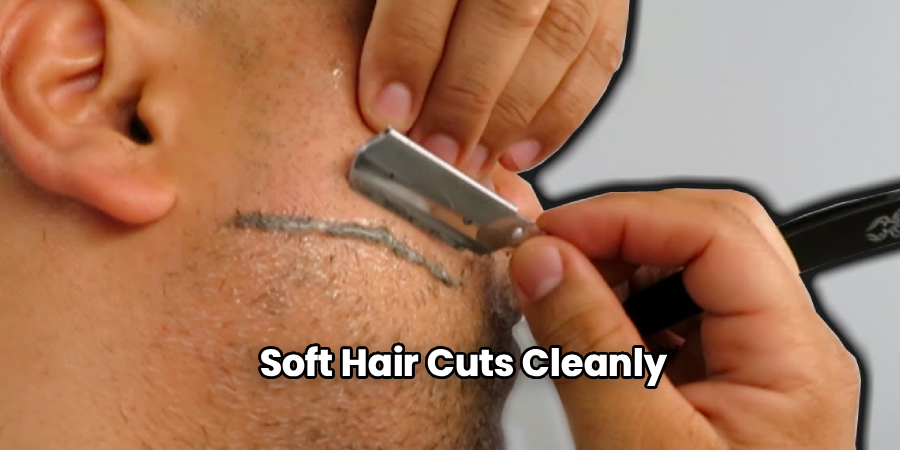
Never take a blade to dry skin. Warm water opens your pores and softens each hair, making the whole shave easier. The best time is right after a hot shower, when your face is already warm and damp. If you’re short on time, press a hot, wet towel to your face for a minute or two. Soft hair cuts cleanly, while stiff stubble tugs and irritates. This step alone prevents most beginner discomfort.
Step 2: Build a Rich, Warm Lather
Good lather is your cushion and your guide. Swirl your wet shaving brush over the soap for twenty seconds until it loads up. Then whip it in a bowl or on your face in circular motions until it turns thick and creamy. You want a texture like glossy meringue, not thin, bubbly foam. A warm, protective layer helps the blade slide instead of scrape. Skimping here leads to drag and razor burn, so take your time.
Step 3: Strop the Blade Before You Shave
Stropping realigns the edge and keeps it wickedly sharp. Hold the leather strop taut and lay the blade flat against it. Draw it toward you spine-first, flip it over the spine, then push it back the other way. Do about twenty to thirty passes with light, steady pressure. Never lead with the cutting edge, or you’ll dull and nick the leather. This quick ritual makes each stroke smoother and safer.
Step 4: Hold the Razor the Right Way
Grip matters more than most people expect. Place three fingers on the shank, your pinky on the tang, and your thumb underneath for balance. This hold gives you control without a death grip. Keep your wrist relaxed, since tension leads to shaky, uneven strokes. A loose, confident grip lets the blade do the work. Practice the hold a few times before any lather touches your face.
Step 5: Find the Correct Blade Angle
Angle is where the magic happens. Tilt the blade so it sits about thirty degrees from your skin. Too steep and you’ll scrape or cut; too flat and it simply won’t cut at all. A helpful trick is to lay the blade flat, then lift the spine slightly until it feels right. Keep that same angle steady as you move. This is the single most important skill for a smooth, safe shave.
Step 6: Shave With the Grain in Short Strokes
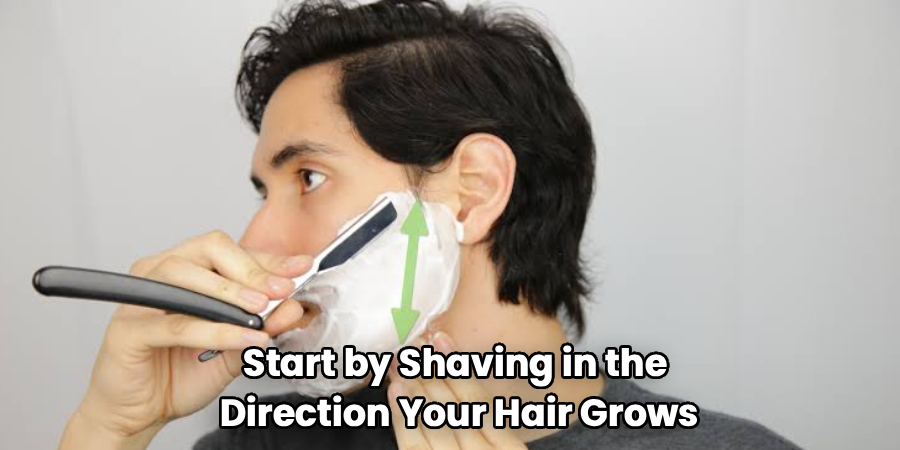
Start by shaving in the direction your hair grows, not against it. Going with the grain reduces irritation and keeps you from digging in. Use short, controlled strokes rather than long sweeping ones. Begin with the easier flat areas of your cheeks before tackling tricky spots. Let the sharp edge glide, and never force it through the hair. Rushing here is how most beginners earn their first nicks.
Step 7: Stretch Your Skin as You Go
Taut skin gives the blade a smooth, even surface. Use your free hand to gently pull the skin in the opposite direction of your stroke. This flattens wrinkles and lifts the hair for a cleaner cut. Pay special attention to your neck, jaw, and chin, where the skin curves. Loose skin can fold under the edge and cause cuts. A little stretch makes a big difference in comfort and closeness.
Step 8: Rinse and Repeat for a Closer Finish
Rinse the blade under warm water between strokes to clear away hair and lather. For a barbershop-close result, re-lather and make a second pass across the grain. Avoid going fully against the grain until you’re more experienced. Feel your face with your fingertips to find any rough patches. Touch up those spots gently rather than pressing harder. Patience beats pressure every single time.
Step 9: Rinse, Soothe, and Store Properly
Splash your face with cool water to close your pores and calm the skin. Pat dry with a soft towel, then apply an alum block or aftershave balm to soothe any irritation. Dry the blade completely to prevent rust, especially with carbon steel. Store it open in a dry spot, never damp inside a drawer. Proper care keeps your edge sharp and your razor lasting for decades. Treat it well, and it’ll return the favor.
Tips for Best Results
Want to level up faster? These insider habits separate a rough shave from a flawless one.
- Practice your stroke without lather. Run the flat spine of the blade across dry skin to build muscle memory. You’ll learn the motion and angle before there’s any risk involved. Confidence comes from repetition, not luck.
- Map your hair growth. Rub your face after a day without shaving to feel which way the hair grows. It changes direction across your cheeks, neck, and chin. Knowing your grain map is the key to an irritation-free shave.
- Keep the blade bone dry between uses. Moisture is the enemy of a good edge, especially for carbon steel. Wipe it down and let it air out fully after every session. A little care now saves you from rust and dull edges later.
- Go slow on your neck. The neck has curves and softer skin, so it demands extra care. Stretch the skin firmly and use gentle, short strokes here. Most beginner cuts happen when people rush this area.
- Learn to strop before you learn to hone. Regular stropping keeps a sharp edge sharp far longer. Honing on a stone is a separate skill you can pick up later. Master the basics first, then expand your toolkit.
Frequently Asked Questions
Is It Safe to Shave With a Straight Razor as a Beginner?
Yes, it’s perfectly safe once you respect the blade and go slow. Most beginner cuts come from rushing or using the wrong angle, both of which improve quickly with practice. Start on your flat cheek areas and save the tricky neck for last. Keep a styptic pencil handy just in case, and your confidence will grow with every shave.
How Often Should I Strop and Sharpen the Blade?
Strop the blade lightly before every single shave to keep the edge aligned and smooth. This quick habit takes under a minute and makes a huge difference. Honing on a whetstone is different and only needed every few months, depending on use. If the blade starts to tug or feel dull, that’s your cue to hone.
What’s the Best Angle to Hold the Blade?
Aim for roughly a thirty-degree angle between the blade and your skin. A simple trick is to lay the razor flat, then lift the spine about two blade-widths off your face. Too steep an angle scrapes and cuts, while too flat won’t slice the hair. Keep that angle steady and consistent throughout each stroke.
How Do I Stop Razor Burn and Irritation?
Prep is everything, so always soften your beard with warmth and use a thick, protective lather. Shave with the grain first and avoid pressing down, letting the sharp edge do the work. Finish with cool water and a soothing balm to calm your skin. Never make repeated passes over the same raw spot.
Can I Use a Straight Razor Every Day?
You can, but many people give their skin a rest between shaves. Daily shaving is fine if your technique is gentle and your blade is sharp. If you notice redness or irritation, space out your shaves and check your prep routine. Listen to your skin, and adjust your schedule to what feels comfortable.
Conclusion
Getting great results with a straight razor comes down to a few key habits. Soften your beard, build a rich lather, hold a steady angle, and shave with the grain in short strokes. Take it slow, and each shave will feel smoother and more confident than the last. That close, satisfying finish is absolutely worth the practice. If you haven’t picked one up yet, check out our product picks above for reliable options at every budget. Ready for more? Browse our other grooming guides for honest, hands-on tips that make every shave better.
