
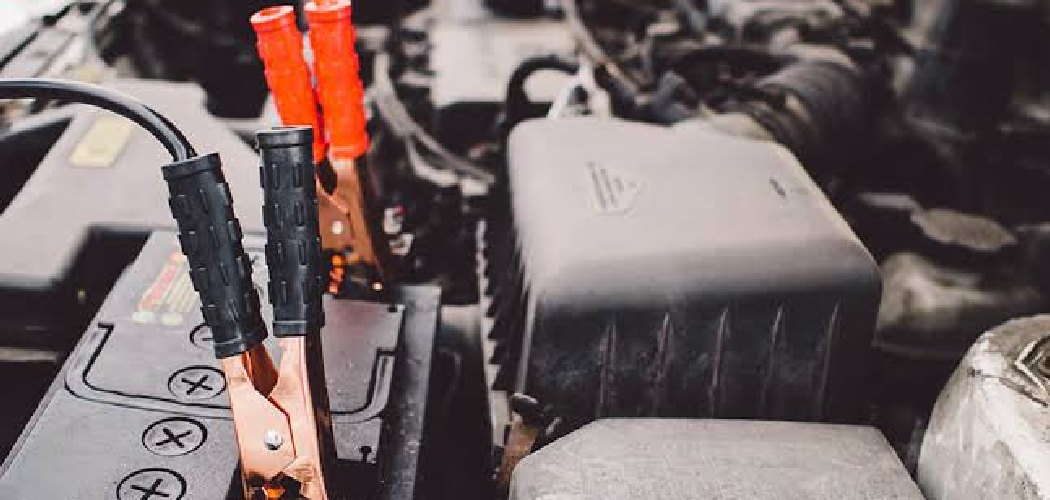
Picture this: you’re running late, you turn the key, and your car answers with a sad click. Nothing. The battery’s dead, and there’s not another car in sight to help you jump-start it. This is exactly where a jump pack earns its place in your trunk. A portable jump starter lets you revive a dead battery all on your own, no second vehicle needed.
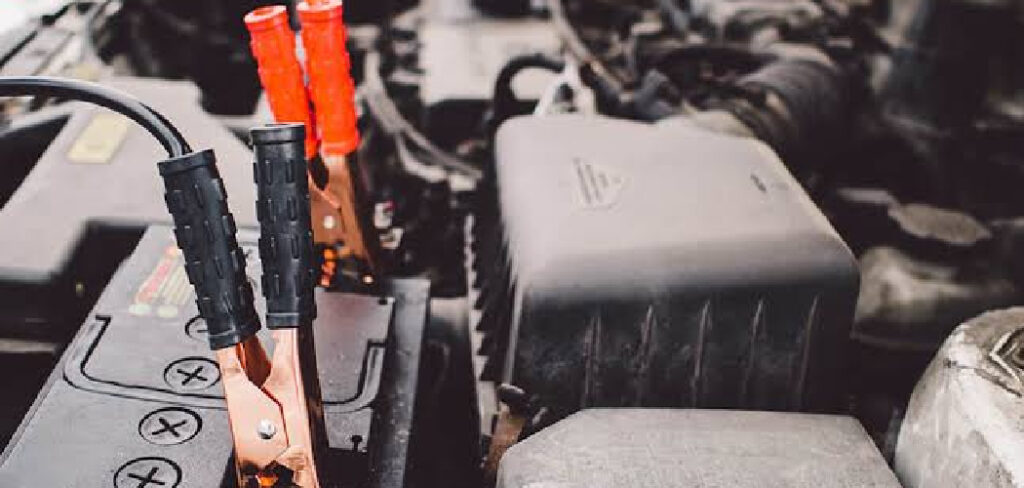
In this guide, you’ll learn How to Use a Jump Pack and correctly, from connecting the clamps to firing up the engine. We’ll walk through what you need, the exact steps to follow, and a few insider tricks that make the whole process smoother. By the end, you’ll handle a dead car battery with total confidence.
What You’ll Need
Before you get started, round up these items. Having everything within reach keeps the job quick and stress-free.
- A fully charged portable jump starter (your jump pack)
- The attached jumper cables and clamps (usually built into the unit)
- Work gloves and safety glasses for protection
- Your vehicle’s owner’s manual for battery location
- A clean, dry rag to wipe any dirt off the battery terminals
- A flashlight or headlamp if you’re working in low light
- Your car keys, ready to go
Do a quick charge check on the unit before you rely on it. A booster pack that’s sat in your glovebox for months may have drained down to nothing.
Step-by-Step Guide on How to Use a Jump Pack
Step 1: Park Safely and Turn Everything Off
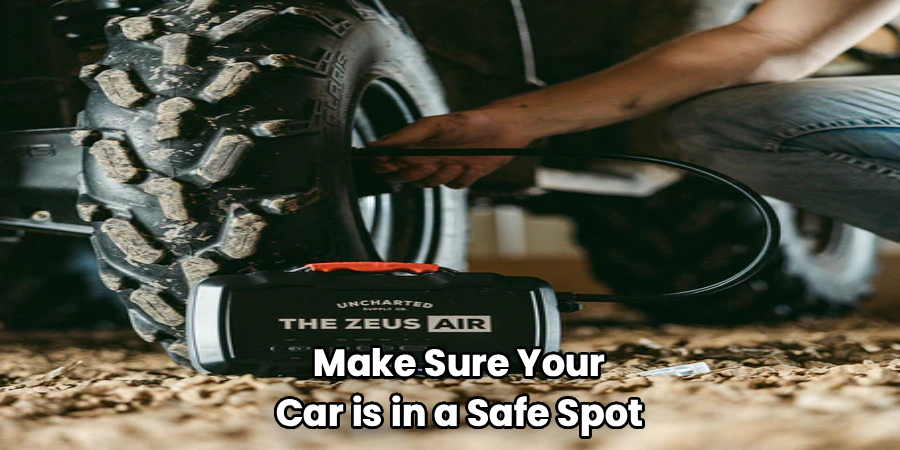
First, make sure your car is in a safe spot, well away from traffic. Shift into park (or neutral for a manual) and set the parking brake. Turn off the ignition along with every electrical accessory: headlights, radio, air conditioning, and phone chargers. Running accessories draw power and can interfere with the boost. This simple prep protects both you and the electronics. Skipping it is a common mistake that leads to weak starts.
Step 2: Check the Charge on Your Portable Jump Starter
Look at the indicator lights or screen on your unit. You want it charged to at least 50%, though a full charge gives you the best shot at a stubborn battery. If the lights are low, plug it in and wait before attempting anything. Trying to start a car with a nearly empty booster pack usually fails and can strain both devices. Many people forget this step and get caught off guard. A quick glance now saves you frustration later.
Step 3: Locate and Inspect the Car Battery
Pop the hood and find your car battery. If you’re not sure where it is, your owner’s manual will point you to it. Look for two terminals: a positive one marked with a plus sign (often red) and a negative one marked with a minus sign (usually black). Wipe away any dirt or corrosion with your rag so the clamps make solid contact. Never attempt a jump if you spot cracks, leaks, or a swollen battery case. A damaged battery calls for a replacement, not a boost.
Step 4: Connect the Positive Clamp First
Grab the red positive clamp from your jump pack. Attach it firmly to the positive terminal on the dead battery, the one with the plus sign. Give it a gentle wiggle to confirm a snug grip; loose clamps cause sparks and poor connections. Keep the two clamps from touching each other while you work. Order matters here, so always connect positive before negative. Rushing this step is where beginners often slip up.
Step 5: Connect the Negative Clamp Correctly
Now take the black negative clamp. You can attach it to the negative terminal, but many manufacturers recommend clamping it to a bare metal part of the engine block or chassis instead. This grounding spot reduces the tiny spark risk near the battery, where gases can build up. Choose a clean, unpainted bolt or bracket a few inches from the battery. Double-check that both clamps sit securely before moving on. When in doubt, follow the instructions printed on your device.
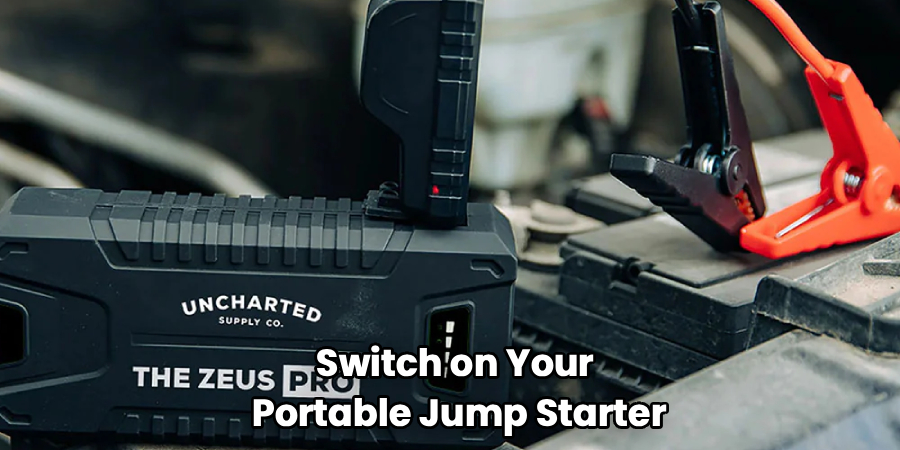
Step 6: Power On the Unit and Start the Engine
Switch on your portable jump starter if it has a power button. Some units light up green when the connection is good and ready. Wait about thirty seconds, then hop in and turn the ignition. Crank the engine for no more than three to five seconds at a time. If it doesn’t catch, pause for a full minute before trying again. Cranking repeatedly without breaks can overheat the starter and drain your device fast.
Step 7: Let the Engine Run and Remove the Clamps
Once the engine roars to life, leave it running. Now disconnect the clamps in reverse order: negative first, then positive. Keep your hands and the clamps clear of moving parts like belts and fans. Set the unit somewhere safe rather than letting it dangle. Removing the cables in the wrong order can cause a spark, so take your time. This careful finish protects both you and your gear.
Step 8: Keep the Car Running and Recharge Your Device
Let your engine idle for at least fifteen to twenty minutes, or take a short drive. This gives the alternator time to recharge the car battery so it won’t die again the moment you shut off. Meanwhile, plug your jump pack back in at home so it’s ready for next time. A booster pack left uncharged is useless in an emergency. Make recharging a habit right after every use. Future-you will be grateful.
Step 9: Diagnose Why the Battery Died
A dead battery is often a symptom, not the whole story. Think back: did you leave the lights on, or is the battery simply old? Most car batteries last three to five years, so age could be the culprit. If it keeps dying, have a mechanic test the battery and alternator. Catching a failing part early beats getting stranded again. Treat that first dead battery as your warning sign.
Tips for Best Results
Ready to get the most out of your device? These habits separate the pros from the panicked.
- Store it charged and check it monthly. Batteries self-drain over time, even sitting idle. A quick monthly top-up means your unit always has enough juice when you actually need it.
- Mind the temperature. Extreme heat and bitter cold both sap battery power. Keep your booster pack indoors during harsh weather rather than baking or freezing in the trunk.
- Read your specific manual once. Every model has quirks, like reverse-polarity alarms or spark-proof features. Five minutes of reading now prevents confusion during a roadside emergency.
- Match the unit to your engine size. A small device may struggle with a big V8 or diesel. Check the peak amp rating and pick one rated for your vehicle’s needs.
- Never force a connection. If the safety light flashes red or an alarm sounds, stop and recheck your clamps. Those warnings exist to protect you from wrong hookups.
Frequently Asked Questions
How Long Does It Take to Jump a Car With a Jump Pack?
The actual boost usually takes just a minute or two once your clamps are connected. Most engines fire up after a single three-to-five-second crank. If the battery is deeply drained, you might wait thirty seconds after powering on before starting. Plan for about five minutes total, including setup and cleanup.
Can I Jump-Start a Car Without Another Vehicle?
Yes, and that’s the whole point of owning a portable jump starter. Unlike traditional jumper cables, these units carry their own power source. You simply connect the clamps to your dead battery and start the engine, no second car required. That independence makes them a smart addition to any glovebox or trunk.
Is It Safe to Use a Jump Pack on Any Car?
For most gas-powered cars, it’s perfectly safe when you follow the connection order. That said, check that your device’s amp rating matches your engine size, especially for large trucks or diesels. Always confirm the battery is a standard 12-volt type before connecting. When you attach positive first and negative last, you keep spark risk very low.
How Often Should I Charge My Portable Jump Starter?
Top it up at least once a month, even if you haven’t used it. Lithium batteries slowly lose charge just sitting on a shelf. Letting one drain completely can shorten its lifespan or leave you stranded. A quick monthly charge keeps it reliable and ready for any surprise dead battery.
What Do I Do If the Car Still Won’t Start?
If two or three attempts fail, stop cranking and reassess. Check that your clamps grip clean, tight connections on the correct terminals. A truly dead or damaged battery may need replacing rather than a boost. If everything looks right and it still won’t turn over, the problem could be the starter or alternator, so call a mechanic.
Conclusion
Reviving a dead battery no longer means flagging down strangers or waiting on a tow. With a little know-how, your jump pack turns a stressful breakdown into a five-minute fix you handle solo. Just remember the basics: charge the unit, connect positive first and negative last, and recharge right after use. Don’t stress if your first attempt feels clumsy; it gets easier every time. If you haven’t picked one up yet, check out our recommended picks above. Browse our other DIY and roadside guides to keep every trip running smoothly.
