
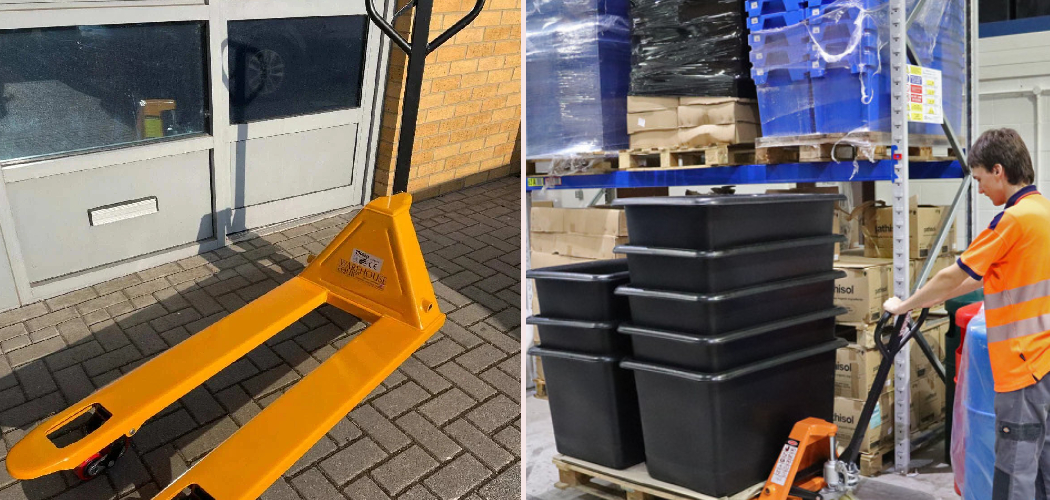
Imagine you’re standing in a warehouse staring at a loaded pallet that weighs more than a small car. Lifting it by hand? Not happening. This is exactly where a pump truck saves the day. Whether you’re stocking shelves, moving inventory in a garage, or helping out at a busy loading dock, this simple machine makes heavy work feel almost easy.
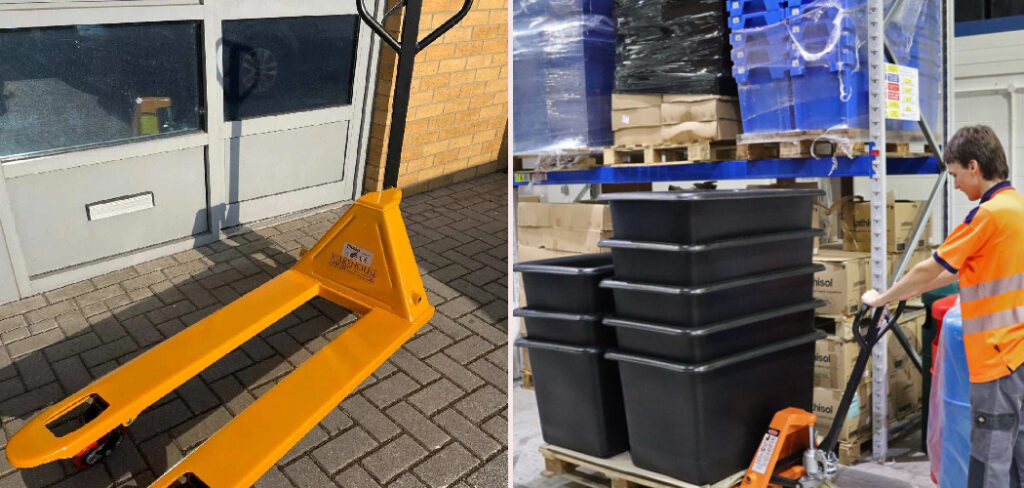
In this guide, you’ll learn How to Use a Pump Truck, what you need before you start, and a clear step-by-step method to operate one safely. We’ll also share a few pro tips that keep you working smart, answer the most common questions, and help you move loads with total confidence. By the end, you’ll handle pallets like you’ve been doing it for years. Let’s get rolling.
What Is a Pump Truck?
A pump truck, sometimes called a pallet jack or hand truck, is a manual tool designed to lift and move loaded pallets across flat surfaces. It has two forks that slide under a pallet and a hydraulic pump built into the handle. When you pump the handle, the forks rise, lifting the load just enough to roll it wherever you need. It’s the go-to tool for warehouses, retail stockrooms, and workshops where forklifts would be overkill.
What You’ll Need
Gather these items before you start. Having everything ready keeps your work smooth and safe.
- A pump truck in good working order (check the hydraulics)
- Sturdy, closed-toe safety boots with good grip
- Work gloves for a firmer hold on the handle
- A clear, level path free of clutter and spills
- Pallets that are intact, not cracked or splintered
- A load within the truck’s rated weight limit
- A hi-vis vest if you’re working in a busy area
- A tape measure to check tight doorways or aisles
Step-by-Step Guide on How to Use a Pump Truck
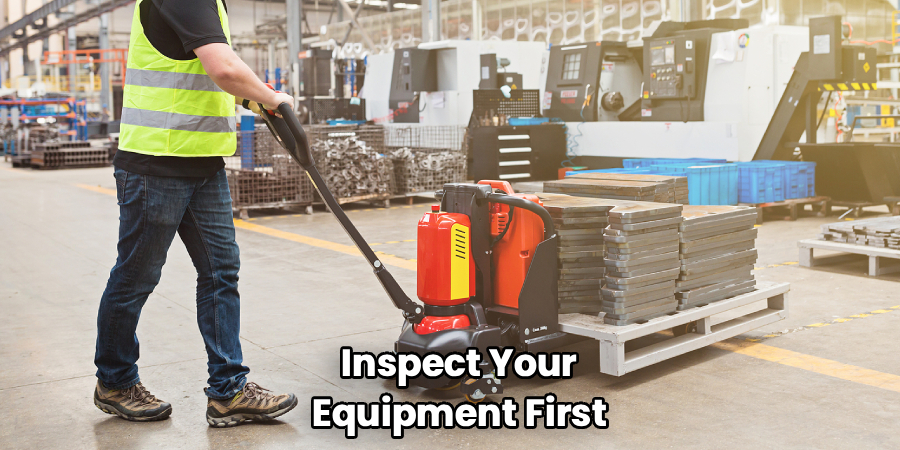
Step 1: Inspect Your Equipment First
Before you move anything, give your tool a quick once-over. Check that the wheels roll freely and aren’t cracked or flat-spotted. Test the hydraulic pump by raising and lowering the forks a couple of times with no load. Look for oil leaks, bent forks, or a stiff handle, since these signal trouble. A two-minute inspection now prevents a dropped load or injury later. If something feels off, tag the unit and grab a different one.
Step 2: Clear and Plan Your Route
Where you’re going matters just as much as what you’re carrying. Walk your intended path and remove any boxes, cords, or debris in the way. Check for wet or oily patches that could make the wheels slip. Measure narrow doorways or aisles if you’re unsure your load will fit. Knowing your route ahead of time means you won’t get stuck halfway with a heavy pallet. A clear path is a safe path.
Step 3: Position the Forks Correctly
Line the forks up squarely with the pallet openings before you push in. Roll the truck forward slowly so the forks slide fully under the pallet, not just partway. The load should sit centered across both forks for balanced lifting. If the forks stop short, back out and realign rather than forcing them. A crooked entry throws off your balance and can damage the pallet. Take your time here, because good positioning sets up everything that follows.
Step 4: Check the Load Weight
Never guess when it comes to weight. Every pump truck has a rated capacity printed on the frame, and going over it is asking for trouble. If the pallet looks overloaded, split it into two lighter trips instead. An overweight load strains the hydraulics and makes steering nearly impossible. It also raises the risk of the load tipping mid-move. When in doubt, lighten the load and stay well within the limit.
Step 5: Pump the Handle to Lift
Now for the satisfying part. Make sure the control lever is set to the “lift” or neutral position, then pump the handle up and down. Each stroke raises the forks a little higher through the hydraulic system. Lift the pallet just enough to clear the floor, usually an inch or two, no more. Raising it too high makes the load unstable and harder to control. Once it’s clear, you’re ready to move.
Step 6: Pull, Don’t Push
For the best control, position yourself to pull the pump truck behind you rather than push it ahead. Pulling lets you see where you’re going and keeps the load in front of your body for better balance. Walk at a steady, relaxed pace and avoid sudden stops or sharp turns. Keep your back straight and let the wheels do the heavy lifting. On ramps or inclines, always keep the load on the downhill side of you. Slow and steady wins here every time.
Step 7: Steer With Care
Turning a loaded truck takes a gentle touch. Use the handle to guide the front wheels, making wide, smooth turns instead of tight jerks. Watch your corners so the load doesn’t clip shelving, walls, or coworkers. If the aisle is tight, stop and reposition rather than muscling through. Keep your feet clear of the wheels at all times to avoid a nasty bump. Smooth steering protects both your load and everyone around you.
Step 8: Lower the Load Gently
When you reach your destination, line up the pallet exactly where you want it. Squeeze or press the release lever slowly to lower the forks in a controlled motion. Let the pallet settle fully onto the floor before you do anything else. Dropping the lever too fast can jolt the load or damage fragile goods. Once the pallet rests flat, you can slide the forks out cleanly. A soft landing keeps your inventory safe and sound.
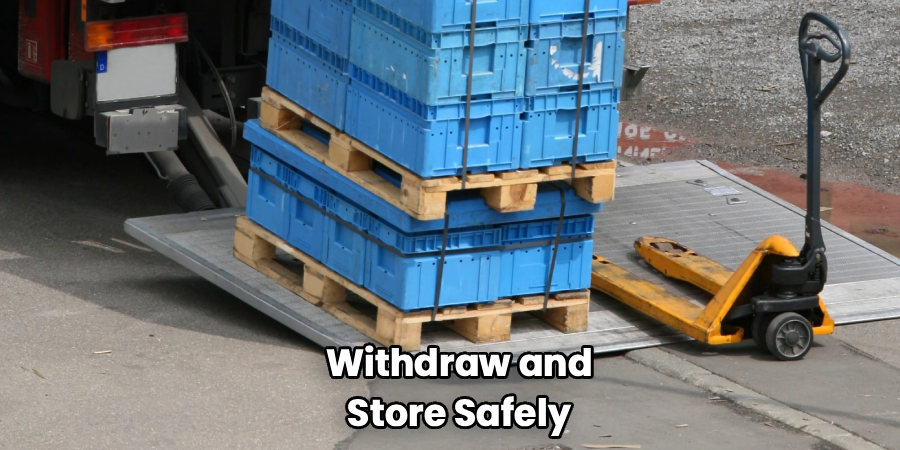
Step 9: Withdraw and Store Safely
With the load down, pull the truck back so the forks slide free of the pallet. Roll the empty unit to its designated parking spot, out of walkways and doorways. Lower the forks all the way to the floor when you park it, since raised forks are a trip hazard. Never leave it in the middle of an aisle where someone could stumble over it. Proper storage keeps your workspace tidy and your tool ready for the next job.
Tips for Best Results
Want to work like a seasoned pro? These insider habits go beyond the basics and make every job smoother.
- Grease the wheels regularly. A few drops of oil on the axles and bearings keep the truck rolling smoothly and cut down on the effort you spend pulling heavy loads. Well-maintained wheels also protect your floors.
- Keep loads low and centered. The lower and more balanced your pallet sits, the more stable it stays during turns and stops. High or lopsided loads are the number one cause of tipping accidents.
- Learn the release lever’s feel. Practice lowering an empty unit a few times so you know exactly how sensitive the lever is. This muscle memory helps you set fragile loads down with a gentle, controlled touch.
- Never ride on it. It might look fun, but a pallet jack isn’t a scooter. Standing or riding on it throws off the balance and can lead to serious falls.
- Bleed the hydraulics if forks won’t lift. If pumping does nothing, trapped air may be the culprit. Check your manual for the simple bleed procedure to restore full lifting power.
Frequently Asked Questions
What Is the Difference Between a Pump Truck and a Forklift?
A pallet jack is a manual, human-powered tool that lifts loads just a few inches off the ground to roll them across flat floors. A forklift is a powered vehicle that can raise loads high onto shelving and racks. Pallet jacks are cheaper, quieter, and perfect for short, ground-level moves. Forklifts handle taller lifts and heavier industrial jobs that a manual unit simply can’t manage.
How Much Weight Can a Pump Truck Carry?
Most standard manual models handle between 4,000 and 5,500 pounds, though capacity varies by design. Always check the rated limit stamped on the frame before loading anything. Going over that limit strains the hydraulic system and makes steering dangerous. When you’re unsure, split heavy pallets into smaller loads and make an extra trip to stay safe.
Is It Safe to Use a Pallet Jack on a Ramp or Incline?
You can, but you need extra caution since gravity works against you. Always keep the load positioned on the downhill side so it doesn’t roll away from you. Move slowly and never let go of the handle on a slope. If the incline is steep or the load is heavy, ask a coworker to help control the descent.
How Do I Fix a Pump Truck That Won’t Lift?
The most common cause is air trapped in the hydraulic system, which you can fix with a quick bleed procedure listed in your manual. Also check the fluid level, since low hydraulic oil weakens lifting power. Inspect the release lever, too, because if it’s stuck open the forks won’t hold pressure. If none of that works, the seals may need replacing.
Can One Person Operate It Alone?
Yes, these tools are designed for solo use in most situations. One person can inspect, load, pump, and steer without any help. That said, extra-long, awkward, or very heavy pallets are safer with a second set of hands. Use good judgment, and never hesitate to ask for backup when a load feels tricky.
Conclusion
Moving heavy pallets doesn’t have to wreck your back or eat up your whole afternoon. With the right technique, a clear path, and a little practice, a pump truck turns a brutal chore into a quick, smooth task. Remember to inspect your gear, respect the weight limit, and always pull rather than push. If you haven’t picked one up yet, check out our recommended picks above to find the right fit for your workspace. Ready to tackle more hands-on jobs? Browse our related guides and keep building your DIY skills.
